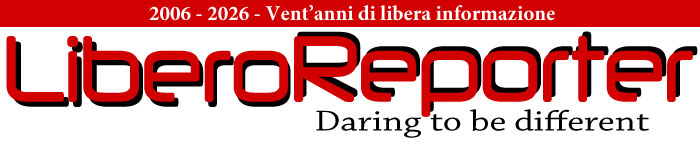
US strikes hit strategic energy infrastructure in the Persian Gulf after nearly a month, raising concerns over global oil markets...
Read More
International-News
Key Dates and Countries to Watch in elections 2026

The upcoming elections 2026 will shape global politics across multiple continents, from the US to Asia and Europe
The elections 2026 calendar is packed with high-stakes votes in at least ten key countries spanning America, Europe, Asia, and the Middle East. Against a backdrop of global conflicts, economic uncertainty, and great power competition, these elections 2026 are expected to influence the trajectory of international crises and global power balances.
Below is a breakdown of major countries and their scheduled elections:
Bangladesh – February 12
General elections and a constitutional referendum will mark the first truly competitive vote in over a decade, following the 2024 removal of former Prime Minister Sheikh Hasina. The interim government, led by Muhammad Yunus, has barred Hasina’s Awami League under the Anti-Terrorism Act. The main contenders are the Bangladesh Nationalist Party (center-right), led by Tarique Rahman, and Jamaat-e-Islami (Islamists). The ‘July Charter’ referendum proposes constitutional revisions to prevent future authoritarian returns. For the first time, 10-15 million overseas citizens will be able to vote.
Hungary – April 12
Parliamentary elections will test Viktor Orbán and his Fidesz party after 16 years in power. Opposition leader Péter Magyar of the Tisza party is running on a platform emphasizing anti-corruption, economic reforms, EU relations, and geopolitical alignment. A victory for the opposition could end Orbán’s “illiberal democracy” and reshape European political dynamics, particularly concerning Ukraine and rule-of-law issues.
Colombia – May 31
Presidential elections will take place as incumbent Gustavo Petro is ineligible for reelection. The left-wing Historic Pact nominates Senator Iván Cepeda, while centrist Sergio Fajardo and conservative Abelardo de la Espriella challenge him. Violence from dissident armed groups adds uncertainty, and a runoff is likely.
Ethiopia – June 1
General elections will occur under the dominance of the Prosperity Party led by Prime Minister Abiy Ahmed. Despite procedural reforms, opposition voices claim limited political space. Given ongoing regional conflicts in Amhara, Oromia, and Tigray, these elections will serve as a critical test for stability in the Horn of Africa.
Armenia – June 7
Prime Minister Nikol Pashinyan and his Civil Contract party seek reelection amid peace negotiations with Azerbaijan and a strategic pivot toward the West. With popularity at 11-17%, Pashinyan faces a fragmented opposition and potential Russian interference, according to multiple watchdogs.
Sweden – September 13
The center-right Tido bloc, led by Ulf Kristersson, faces a tough electoral test on immigration, crime, and energy policy. Social Democrats and allies slightly lead polls. The campaign is expected to be highly polarized.
Russia – by September 20
Legislative elections for the State Duma will likely see United Russia retain its majority, with systemic opposition parties taking remaining seats. The non-systemic liberal party New People may secure 5-10% of seats.
Brazil – October 4
President Luiz Inácio Lula da Silva runs for a fourth term; Jair Bolsonaro is barred from running. Lula leads polls at 45-50% with potential challengers Tarcísio de Freitas, Flávio Bolsonaro, and others. Key issues include economic growth, inflation, and public security.
Israel – by October 27
Knesset elections will test Netanyahu’s coalition, with Likud leading but no clear majority. Security, Gaza conflict, and domestic polarization dominate the campaign.
United States – November 3
Midterm elections will decide control of the House and Senate and will test President Donald Trump’s ability to advance his agenda in the final two years of his term. All 435 House seats, about one-third of the Senate, and multiple governorships are contested.
Across these regions, the elections 2026 are shaping up as pivotal in determining global political and economic stability, influencing alliances, and affecting domestic governance in key states. Analysts and observers are watching closely as these contests could redefine international power dynamics for years to come.
THE LATEST NEWS
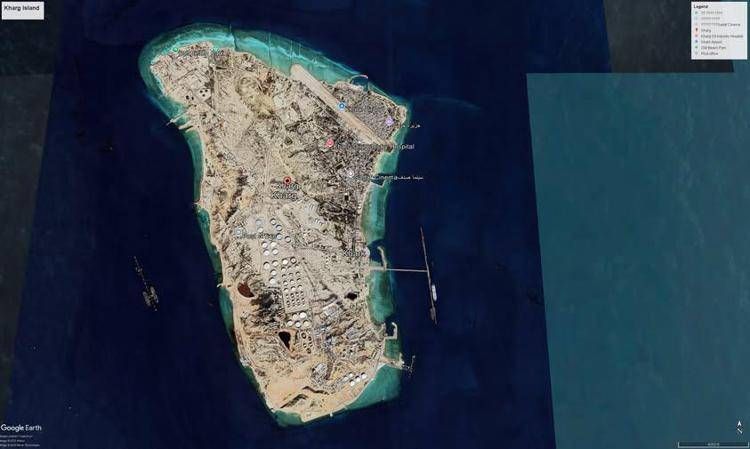
US-Iran deadline and oil market scenarios drive global volatility
7 Aprile 2026
Markets brace for the outcome of Donald Trump’s ultimatum to Tehran, with analysts outlining paths from de-escalation to renewed US...
Read More
LIVE – Artemis II sets record distance from Earth, surpassing Apollo 13
6 Aprile 2026
NASA crew travels beyond 400,000 kilometers, breaking the 1970 record Artemis II has set a new record distance from Earth,...
Read More

US special forces raid in Iran rescues downed pilot after high-risk mission
6 Aprile 2026
Complex operation involving airstrikes, intelligence and deception saves pilot; second crew member still missing A high-risk raid by United States...
Read More
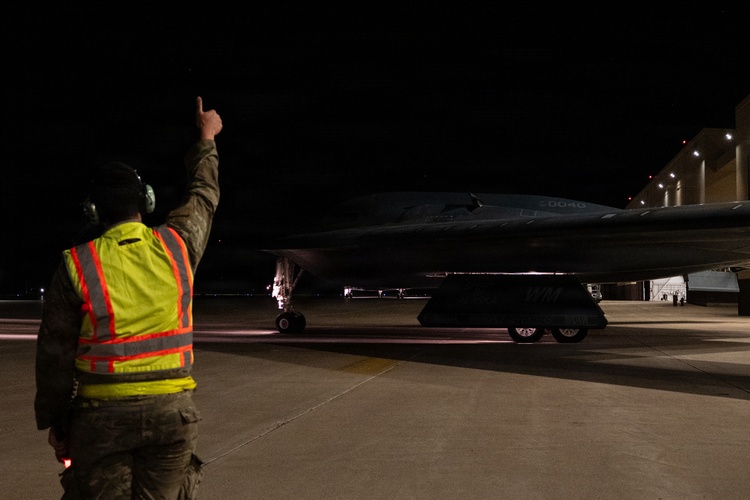
US pilot in Iran delayed contact due to concussion
5 Aprile 2026
Israeli Channel 12 reports the F-15 weapons officer was unconscious after ejecting, regaining communication only hours later A US pilot...
Read More
Trump the Flip-Flopper: Shifting Stance on Iran and the Strait of Hormuz, Between Threats and Delays
5 Aprile 2026
Since March 21: ultimatums, pauses, and new warnings. Deadline set for April 6 for the reopening of the Strait Donald...
Read More
(Source: AndKronos)