The US president attacks Tehran but holds back on the use of force: “We need them for negotiations”. Talks temporarily...
Read More
International-News
Peacekeeping force in Gaza, US plan for the post-war period
Peacekeeping force in Gaza under consideration by the United States: 10,000 soldiers and over 70 countries involved in the post-war plan
The United States is working on creating a peacekeeping force in Gaza to stabilise the Strip after the end of the war with Israel. This was revealed by the Wall Street Journal, which quotes American officials as saying that it will take most of next year to make the mission operational.
According to rumours, Trump administration officials are seeking to recruit around 10,000 soldiers to join the peacekeeping force in Gaza, which would operate under the command of a US general. The aim would be to ensure security and control of the territory at an extremely delicate time for the Palestinian enclave.
Peacekeeping force in Gaza, international involvement
The US State Department has formally asked more than 70 countries to contribute military or financial resources to the peacekeeping force in Gaza. Among the states contacted are historical allies such as Italy and France, but also smaller countries such as Malta and El Salvador.
At present, however, no foreign country has yet sent troops. According to the Wall Street Journal, there are reservations about the possible inclusion of the disarmament of Hamas militants still active in some areas of the Strip, which is considered highly risky from an operational point of view.
Next week, more than 25 countries will meet in Qatar for a summit organised by the United States, during which the composition of the peacekeeping force in Gaza and the scope of its mandate will be defined. Several Middle Eastern countries, including Saudi Arabia and the United Arab Emirates, are already in talks with Washington to finance the effort, although ongoing support will be necessary.
A US official, quoted by the newspaper, reported that 19 countries have already expressed interest in contributing to the mission, offering troops or logistical support, transport and equipment.
Operational areas and military presence
The countries involved in the negotiations have reportedly requested that their forces operate exclusively in the so-called “green zone” in the east of the Strip, an area where Hamas is not present. However, US officials have not yet abandoned the idea of extending the peacekeeping force in Gaza to areas where Islamist militants operate.
Meanwhile, the Israeli army continues to guard the “yellow line”, which divides the enclave from north to south. Hamas’ armed fighters remain concentrated in the coastal “red zone”, which is smaller but strategically sensitive.
THE LATEST NEWS

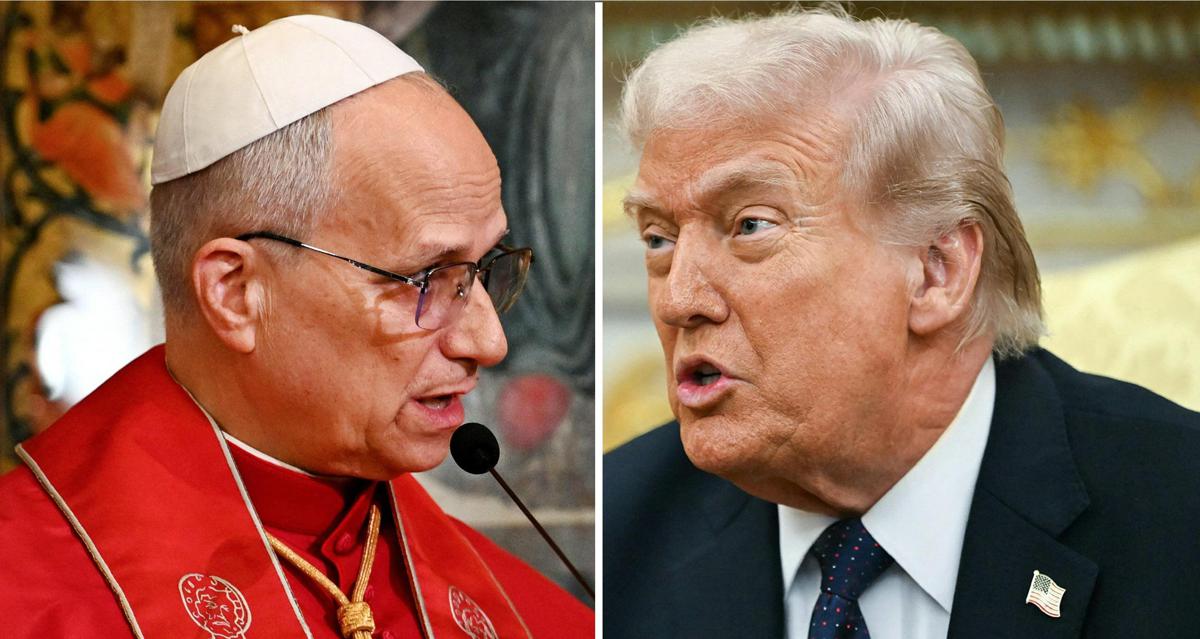
Pope Leo XIV responds to Trump: immigrants shaped the future of the United States
3 Luglio 2026
On the eve of his trip to Lampedusa, the Pope invokes America’s founding ideals and defends the role of immigration...
Read More
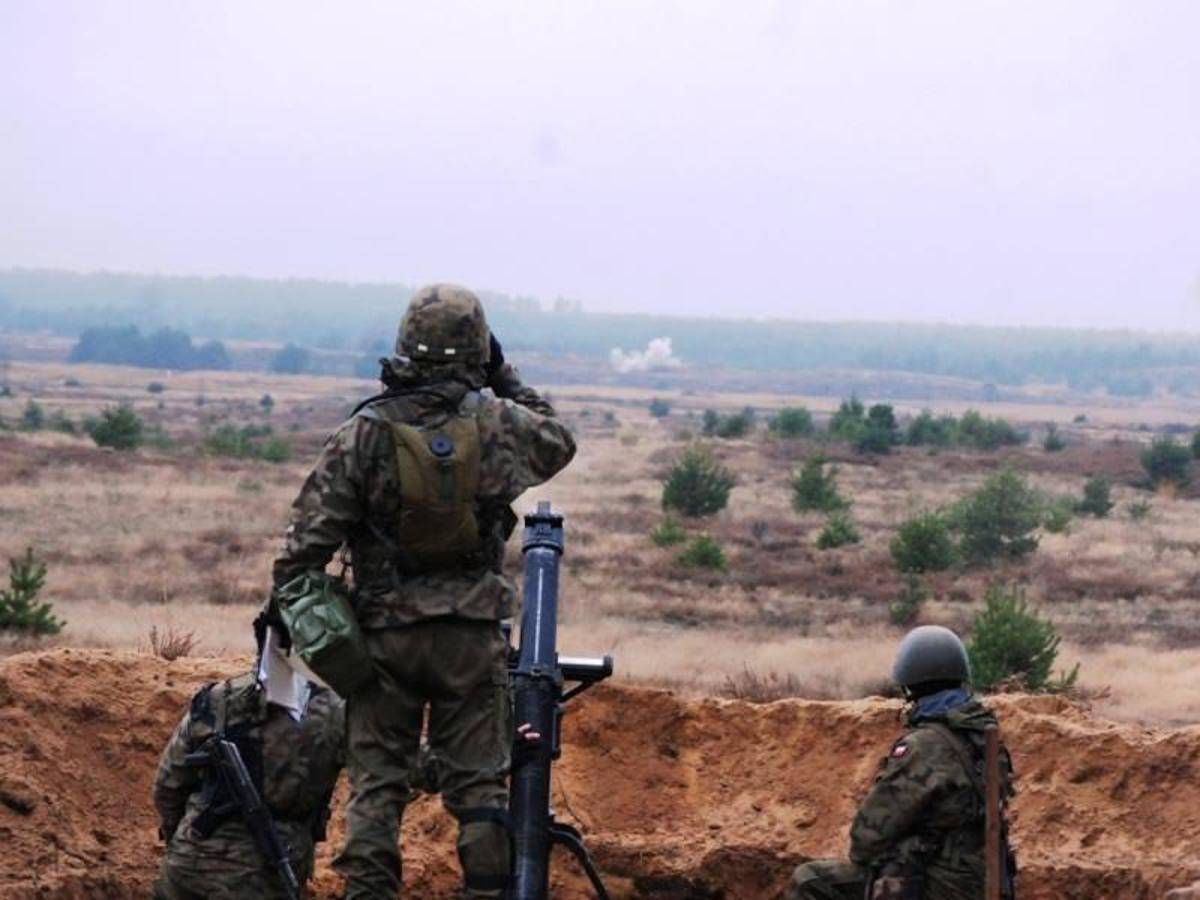
US warns of possible Russian provocation to test NATO resolve
3 Luglio 2026
Washington alerts Poland to scenarios involving limited strikes, hybrid operations, or controlled incursions designed to probe the Alliance’s response The...
Read More
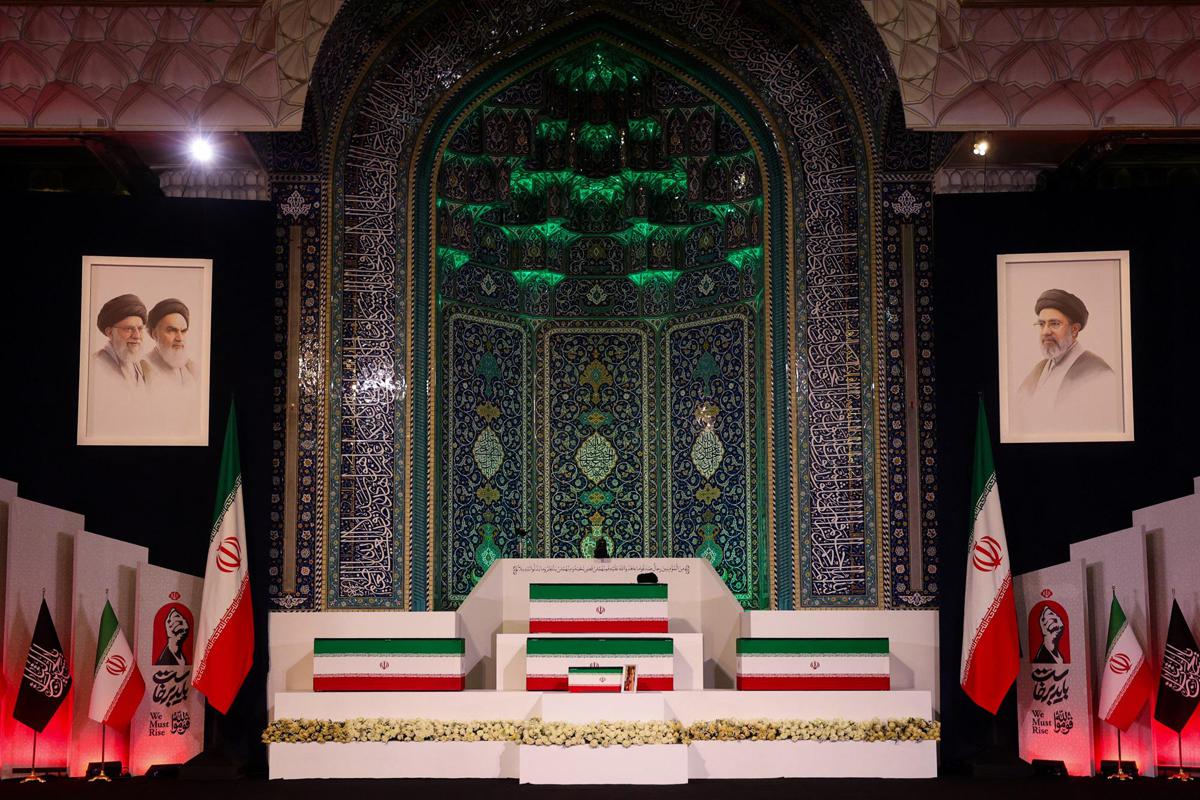
Iran displays coffin of Ali Khamenei ahead of state funerals
3 Luglio 2026
Mass funeral ceremonies will begin July 4 and end July 9 in Mashhad, as authorities mobilize nationwide participation following the...
Read More
The resilience of Russia’s wartime economy under Putin
2 Luglio 2026
Four years after the invasion of Ukraine, growing economic strain, shifting public sentiment, and structural imbalances are raising renewed questions...
Read More

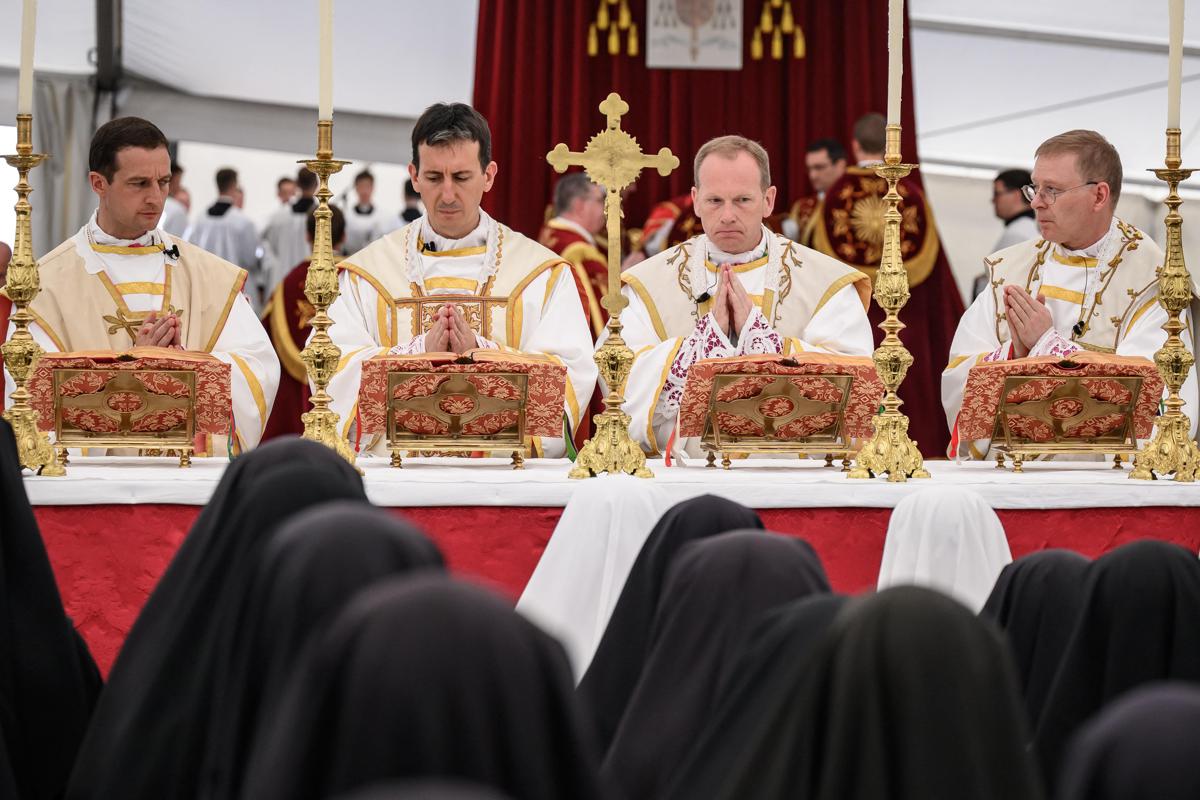
Church schisms through the centuries, from early splits to today
1 Luglio 2026
From the first divisions in early Christianity to modern traditionalist ruptures, the history of the Church is marked by recurring...
Read More
(Photo: © AndKronos)