
Following Ali Khamenei’s death and external strikes, Iran’s power structure shifts, elevating the Parliament speaker as a key political figure...
Read More
International-News
Ghalibaf’s role in Iran’s new phase after February 2026 crisis
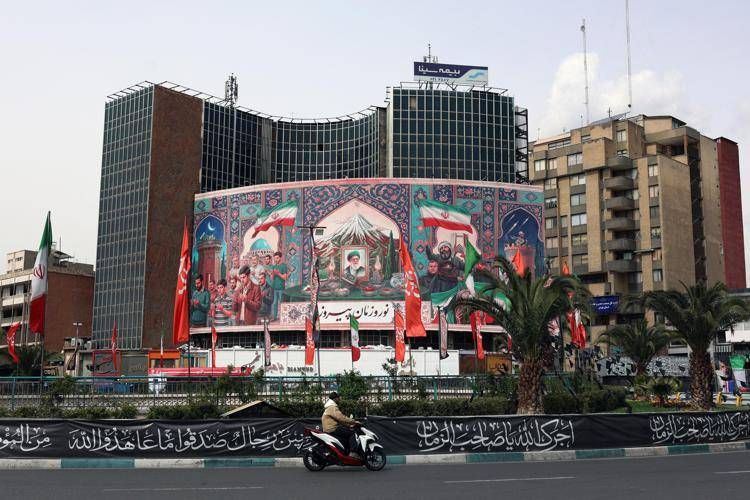
Following Ali Khamenei’s death and external strikes, Iran’s power structure shifts, elevating the Parliament speaker as a key political figure
In an Iran marked by deep internal tensions and a conflict that has reshaped its power balance, Mohammad Bagher Ghalibaf, speaker of Parliament, is increasingly emerging as a central figure in the country’s current political phase.
Analyses published by the Saudi newspaper Al Sharq Al Awsat and the Qatar-based broadcaster Al Jazeera describe a system of power that is no longer centralized, but fragmented and under significant pressure following U.S. and Israeli strikes that targeted the upper levels of Iran’s leadership, beginning with the killing of Supreme Leader Ali Khamenei in late February 2026.
Within this context, Ghalibaf is identified as the main point of connection among political, military, and religious elites. His profile combines experience in the Islamic Revolutionary Guard Corps during the Iran-Iraq war, senior roles in national security, more than a decade as mayor of Tehran, and, since 2020, the presidency of the Majlis, Iran’s parliament.
Considered close to the religious leadership, particularly to Mojtaba Khamenei, Ghalibaf has taken a strongly assertive public stance. In statements released through media and social platforms, he has threatened U.S. President Donald Trump and Israeli Prime Minister Benjamin Netanyahu, accusing them of crossing a “red line” and promising a harsh response to the attacks.
According to Al Jazeera, Iran’s power structure has evolved into a functional alliance. Mojtaba Khamenei is seen as ensuring symbolic continuity and religious legitimacy, formally maintaining control over strategic decisions, while operational authority appears to rest with the Islamic Revolutionary Guard Corps, which has shown the ability to adapt despite significant losses among its commanders.
At the same time, the government continues to manage day-to-day administration to prevent institutional collapse, while Ghalibaf is consolidating his position as the most visible and influential political figure.
The removal of figures considered mediators, such as Ali Larijani, has narrowed the space for more balanced positions, favoring leadership characterized by deterrence and mobilization rhetoric. In this environment, Ghalibaf has expanded his role, intervening on strategic issues such as the Strait of Hormuz and reinforcing a line of direct confrontation with the United States and Israel.
Roughly four weeks after the start of the military offensive, power in Iran appears to be distributed across three main centers: religious legitimacy represented by Mojtaba Khamenei, military strength held by the Revolutionary Guards, and political authority embodied by Ghalibaf, with the government focused on maintaining administrative stability.
THE LATEST NEWS
Kentucky farmer rejects $26M offer for land sale to AI company
24 Marzo 2026
An 82-year-old landowner near Maysville refuses to sell farmland despite a bid far above market value A farmer in Kentucky...
Read More

Sarah Ferguson book on Epstein sparks tension with Buckingham Palace
23 Marzo 2026
A potential biography by the Duchess of York could reveal royal secrets. King Charles reportedly ready to respond A book...
Read More
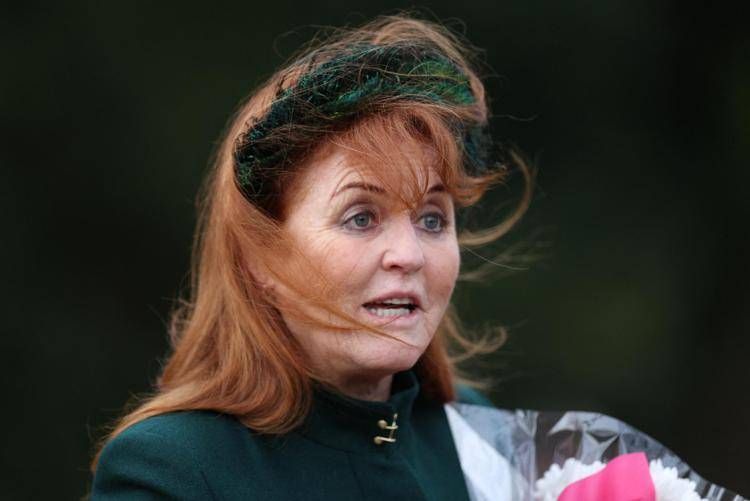
Hungary, Russian plan to boost Orban: fake assassination plot before the vote
22 Marzo 2026
According to an intelligence report, Moscow considered extreme measures to influence the election One month before the elections in Hungary,...
Read More
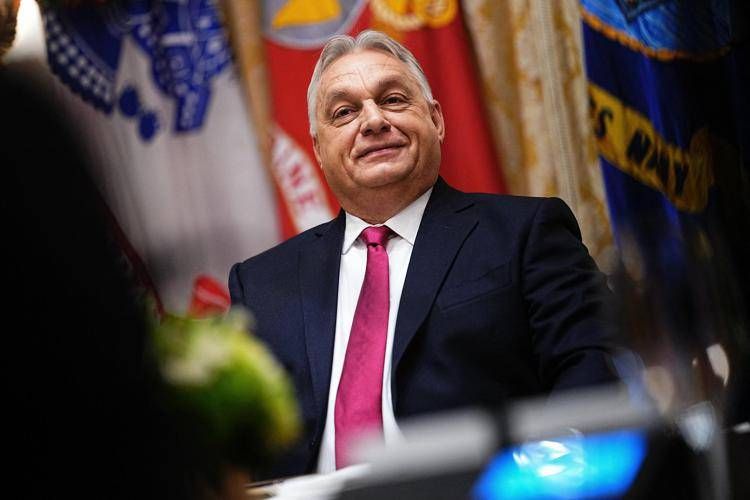
The United States at a crossroads in the war with Iran: Trump weighs a reduction of efforts
21 Marzo 2026
Fourth week of conflict as Washington considers negotiations while key issues over the Strait of Hormuz and uranium remain unresolved...
Read More
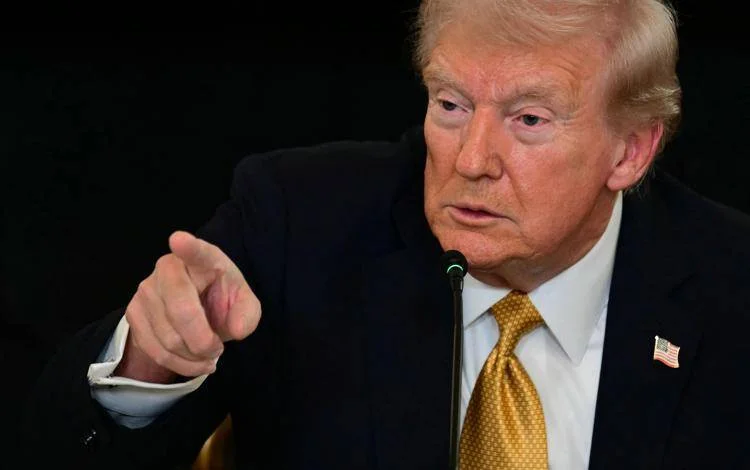
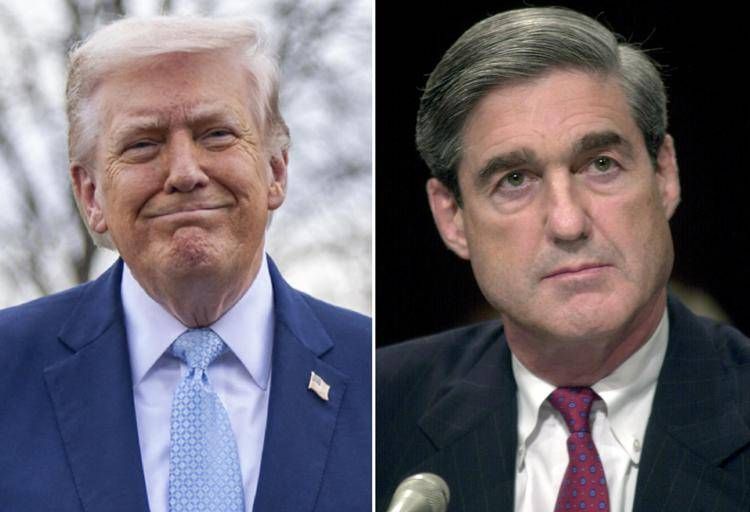
Donald Trump expresses joy over Robert Mueller’s death
21 Marzo 2026
The U.S. president sparked controversy after commenting on the passing of the former FBI director, who died Friday at age...
Read More
(Photo: © AndKronos)
You must be logged in to post a comment Login