Pentagon plans were prepared and briefed at the highest level, but concerns over escalation, casualties and economic fallout led to...
Read More
International-News
The United States at a crossroads in the war with Iran: Trump weighs a reduction of efforts

Fourth week of conflict as Washington considers negotiations while key issues over the Strait of Hormuz and uranium remain unresolved
The United States stands at a crossroads in the war with Iran. The conflict has entered its fourth week, and President Donald Trump is, for the first time, evaluating “a reduction of efforts” in Operation Epic Fury. The military commitment cannot yet be considered over. “We have won the war,” Trump said, referring to the outcome achieved across air and sea. Two key issues remain: the Strait of Hormuz is still blocked, and Tehran’s 440 kilograms of enriched uranium remain a central concern.
In this context, the administration has begun planning possible peace negotiations with Iran, according to Axios citing U.S. sources. “We are getting closer and closer to achieving our objectives as we evaluate the gradual reduction of our massive military efforts in the Middle East in relation to the Iranian terrorist regime,” Trump said, hinting at a possible endgame to the conflict.
The president’s advisers, Jared Kushner and Steve Witkoff, are assessing the conditions for a potential deal: reopening the Strait of Hormuz, limiting Iran’s nuclear and missile programs, and ending Tehran’s support for Hezbollah, Hamas, and the Houthis. In recent days, there have been no direct contacts between the United States and Iran, but indirect messages have been conveyed through third countries such as Egypt, Qatar, and the United Kingdom.
According to U.S. sources, Iran has expressed willingness to negotiate but under strict conditions: an immediate ceasefire, guarantees against future attacks, and compensation. The gap with Washington remains wide. “We can talk, but I don’t want a ceasefire. You don’t do a ceasefire when you are completely annihilating the other side,” Trump said.
The United States aims to secure significant limitations, including eliminating uranium enrichment, reducing missile capabilities, and demilitarizing key nuclear facilities. However, Tehran has previously rejected similar conditions, making negotiations complex and uncertain. Iran’s Foreign Minister, Abbas Araghchi, said the country is ready to welcome “any initiative that can bring this war to a complete conclusion,” while stressing that the United States does not appear ready to halt its offensive.
Meanwhile, the war continues. The United States is reinforcing its military presence in the Persian Gulf, aiming to take control of the Strait of Hormuz and restore oil traffic. Trump has not ruled out deploying ground troops. Among the possible targets is Kharg Island, a central hub of Iran’s oil system.
According to CBS, as the Natanz nuclear site is bombed, the president is considering options to seize Iran’s nuclear stockpiles, particularly the roughly 440 kilograms of enriched uranium, likely still located in Isfahan. The plan could involve deploying forces from the Joint Special Operations Command, the elite unit often tasked with the most sensitive missions.
U.S. officials have not ruled out attempting to recover Iran’s highly enriched uranium stockpiles, but the mission would be complex and risky. “We are talking about cylinders containing uranium hexafluoride gas enriched to 60%, so it is very difficult to handle,” said Rafael Mariano Grossi. “I’m not saying it’s impossible, but it would certainly be a very challenging operation.”
THE LATEST NEWS
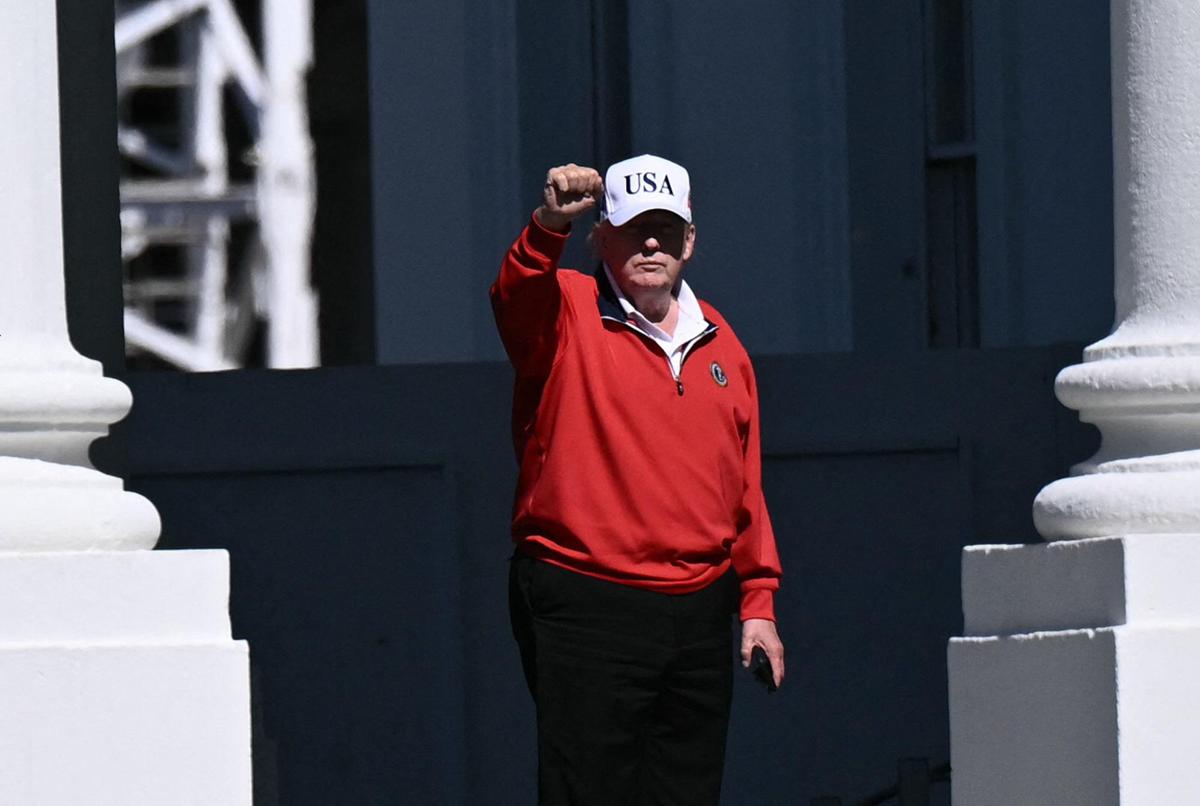
The United States-Iran ceasefire memorandum: Geneva Lake possible signing
13 Giugno 2026
Negotiations continue over location and conditions as diplomatic framework advances between Washington and Tehran Lake Geneva is being considered as...
Read More
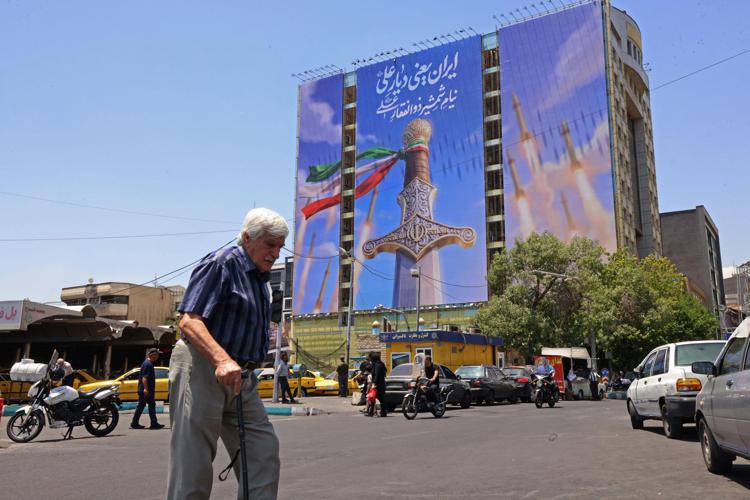
Trump Claims US–Iran Deal Reached as Markets React With Caution
11 Giugno 2026
The US president announces on Truth Social that strikes against Iran have been cancelled after an alleged agreement involving multiple...
Read More
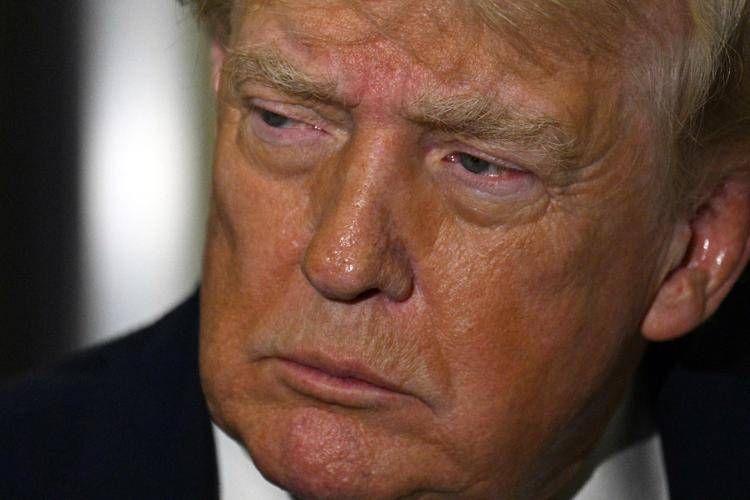
Trump Signals Continued Military Pressure on Iran Amid Fragile Negotiations Over Nuclear Deal and Oil Assets
11 Giugno 2026
U.S. President Donald Trump reiterates threats of sustained strikes and strategic pressure on Iran while diplomatic channels remain open over...
Read More

Bill Gates Testifies in Jeffrey Epstein Inquiry, Denies Knowledge of Crimes
10 Giugno 2026
Bill Gates told the U.S. House Oversight Committee he had no awareness of Jeffrey Epstein’s criminal activity and called their...
Read More
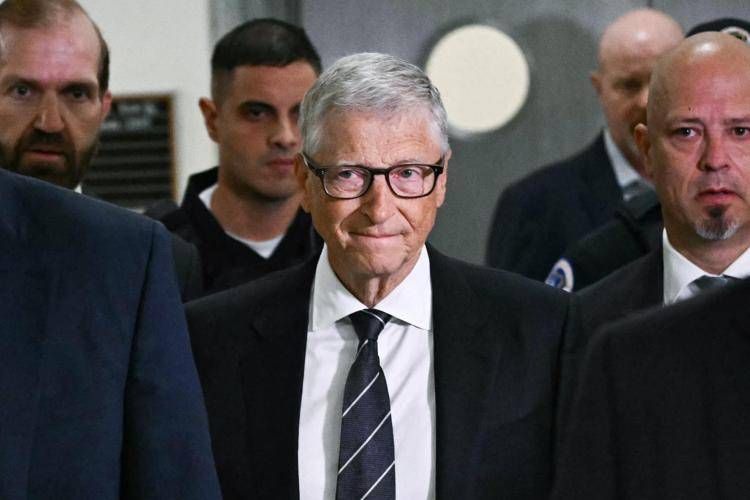
Russia prepares for possible NATO conflict in Northern Europe
10 Giugno 2026
A joint Nordic investigation points to a structural military buildup along Russia’s northern frontier, with a potential one-to-three-year window of...
Read More
(Photo: © AndKronos)