
Rising tensions over the Strait of Hormuz are prompting Gulf nations to explore new energy corridors to bypass Iran and...
Read More
International-News
Gulf States Reconsider Pipelines Amid Prolonged Iranian Control of Hormuz
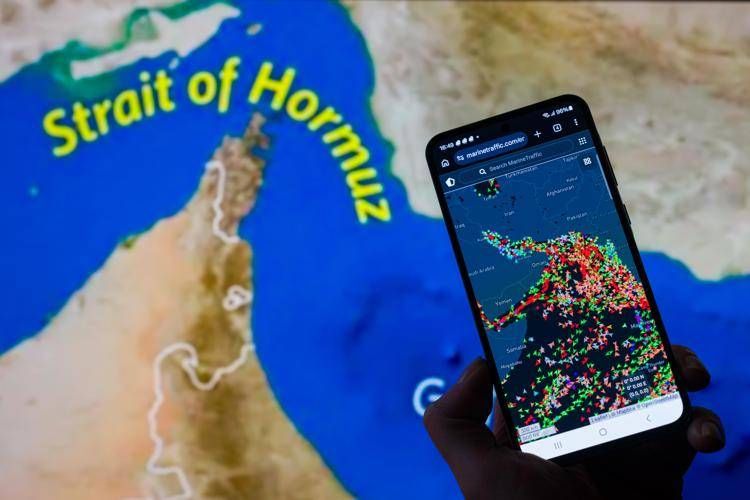
Rising tensions over the Strait of Hormuz are prompting Gulf nations to explore new energy corridors to bypass Iran and safeguard oil and gas exports
Concerns over a prolonged Iranian presence in the Strait of Hormuz are prompting Gulf nations to reassess long-shelved plans for pipelines capable of bypassing the strategic chokepoint and ensuring continuity of oil and gas exports.
According to industry officials and executives cited by the Financial Times, such infrastructure could offer the only structural solution to the region’s vulnerability to disruptions in the strait, though it would require multi-billion-dollar investments, years of construction, and delicate political agreements among countries.
The current crisis has brought renewed attention to Saudi Arabia’s 1,200-kilometer East-West pipeline, built in the 1980s during the Iran-Iraq War. The pipeline can transport up to seven million barrels per day to the Red Sea port of Yanbu, circumventing Hormuz entirely. A senior energy executive described the pipeline as “a stroke of genius,” while Aramco CEO Amin Nasser identified it as the kingdom’s primary export route.
Riyadh is now considering how to increase the share of its 10.2 million barrels per day production exported via pipelines rather than through waters under Iranian control. Options under review include expanding the East-West pipeline’s capacity and developing new routes.
Historically, similar projects were blocked by high costs and operational challenges. Maisoon Kafafy of the Atlantic Council notes a shift in approach: “The region is moving from hypothetical scenarios to operational realities.” Analysts suggest that the most resilient solution would be not a single pipeline but an integrated network of energy corridors, albeit one of the most complex to implement.
This strategy aligns with potential revitalization of the India-Middle East-Europe Economic Corridor (IMEC), a U.S.-backed logistical initiative linking India, the Gulf, and Europe. The plan would include energy infrastructure but faces politically sensitive issues, such as a potential connection to Israel’s Haifa port.
Obstacles remain significant. Christopher Bush, CEO of Lebanese construction firm Cat Group, involved in the East-West project, points out that replicating a similar pipeline today would cost at least $5 billion. More complex routes, such as those from Iraq through Jordan, Syria, or Turkey, could require $15–20 billion.
Security risks, geographic challenges across deserts and mountain ranges, and recent drone attacks on Oman’s Salalah port underscore the dangers. Political uncertainties further complicate matters: managing pipelines and controlling flows would require unprecedented regional cooperation, challenging the Gulf states’ traditionally individualistic approach.
In the near term, the most practical measures appear to be enhancing the East-West pipeline and the existing Abu Dhabi-Fujairah route, increasing capacity without confronting the complexities of new transnational infrastructure. Riyadh may also develop new Red Sea terminals. Sector sources note that definitive decisions will depend on the evolving situation in the Strait of Hormuz.
THE LATEST NEWS
Trump threatens to pull the U.S. out of NATO
1 Aprile 2026
Donald Trump threatens to withdraw the United States from NATO, slams European allies and clashes with UK PM Keir Starmer...
Read More
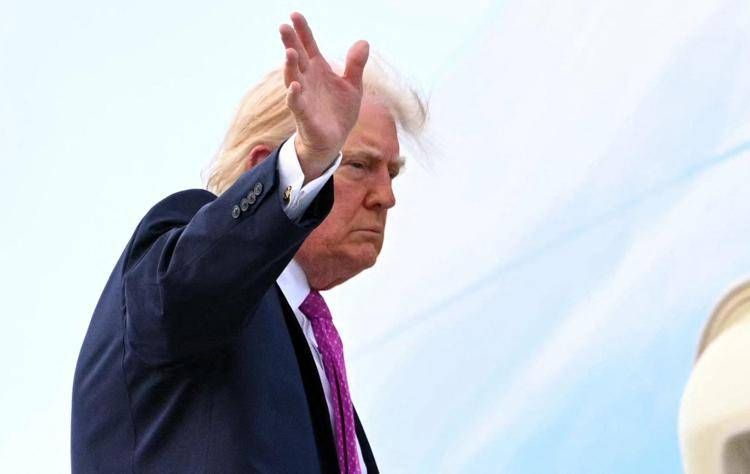
Trump says Iran requests ceasefire, but Tehran denies it
1 Aprile 2026
US president announces contacts on Iranian initiative; Islamic Republic rejects truce Tensions between the United States and Iran continue to...
Read More
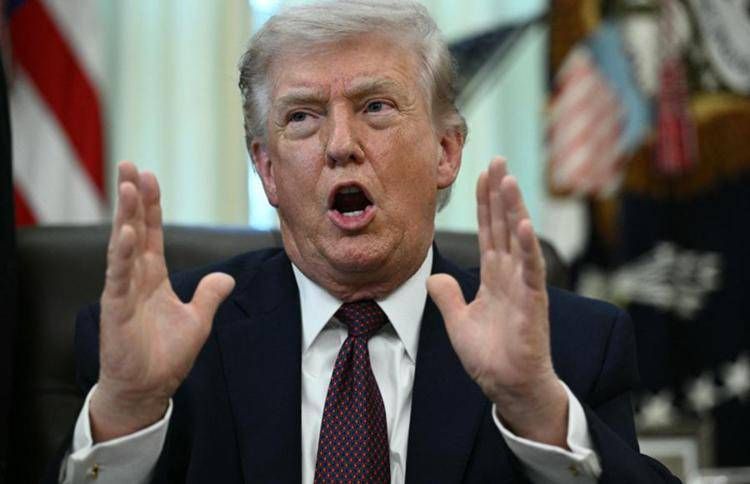
Iran Revolutionary Guards Threaten Google, Meta, and Apple
31 Marzo 2026
Tehran warns that major U.S. tech firms could face attacks if more regime leaders are killed Iran’s Islamic Revolutionary Guard...
Read More
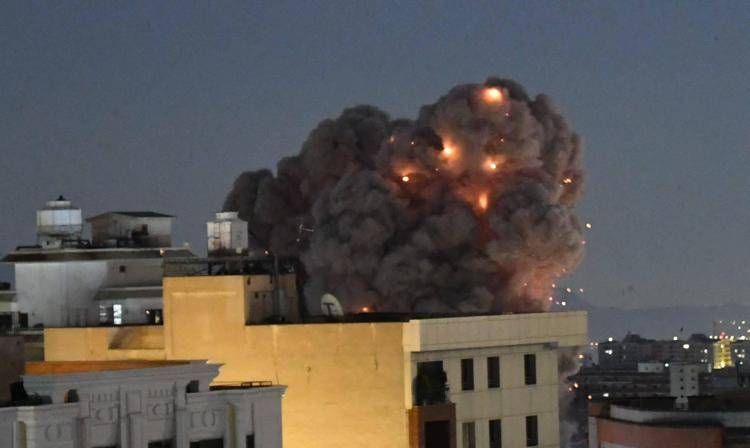
King Charles to meet Trump in US during April visit
31 Marzo 2026
Buckingham Palace confirms trip tied to 250th anniversary of American independence King Charles to meet Trump in US during April...
Read More
MF warns Iran war will raise prices and slow global growth
30 Marzo 2026
A report led by chief economist Pierre-Olivier Gourinchas outlines risks from energy shocks and limited fiscal space IMF warns Iran...
Read More
(Photo: © AndKronos)

You must be logged in to post a comment Login