Italian premier meets Algerian president Tebboune to discuss regional stability and Gaza humanitarian situation Italian Prime Minister Giorgia Meloni expressed...
Read More
International-News
Iran and United States negotiate on nuclear program amid rising military tensions
Diplomatic talks continue even as both Washington and Tehran strengthen military deployments and issue strategic warnings
Iran and the United States are engaged in nuclear negotiations while military tensions continue to escalate, reflecting a delicate balance between diplomacy and strategic preparedness. Statements from President Donald Trump and Iranian officials outline a landscape where dialogue proceeds alongside military posturing.
“The Iranians are negotiating, so let’s see what happens,” Trump told Fox News, recalling that previous talks had failed to achieve their goals and that Washington had been compelled to act against Iran’s nuclear program. He emphasized that he could not share details of U.S. strategy with Gulf allies, warning that disclosure could compromise sensitive information. Trump also noted that a substantial U.S. naval force is now heading toward the region.
In a parallel development, Trump shared an unverified video on Truth Social showing what appeared to be a chaotic retreat by Iranian Revolutionary Guards, attributing the images to panic in Tehran.
Iranian authorities, meanwhile, report progress in the talks but maintain a high state of alert for possible U.S. military actions. The U.S. has deployed a naval strike group led by the aircraft carrier USS Abraham Lincoln near Iranian waters. Tehran has reiterated that any attack would trigger missile strikes against U.S. bases, ships, and allies, particularly Israel.
Despite these tensions, Trump expressed confidence that Iran would prefer a negotiated agreement on nuclear and missile programs over direct military conflict. Tehran confirmed its willingness to discuss nuclear issues, while excluding missile and defensive programs from the negotiations.
Ali Larijani, head of Iran’s Supreme National Security Council, stated that the negotiation framework is advancing despite intense media scrutiny. Iranian President Masoud Pezeshkian echoed this position in a phone call with Egyptian President Abdel Fattah al-Sisi, affirming that Iran does not seek war and prioritizes diplomacy in resolving disputes.
Pezeshkian stressed that Iran cannot negotiate under military threat, yet confirmed that any aggression toward Iranian territory would receive a military response. At the same time, the government remains committed to pursuing diplomatic solutions.
Authorities also dismissed any connection between recent domestic incidents and hostile acts. An explosion in Bandar Abbas was attributed to a gas leak, while the Revolutionary Guards denied attacks on naval facilities or assassination attempts targeting Commander Alireza Tangsiri.
Symbolically, Supreme Leader Ali Khamenei visited the shrine of Ruhollah Khomeini during the 47th anniversary celebrations of the 1979 Islamic Revolution, reinforcing the regime’s political stance amid international pressure, ongoing negotiations, and military readiness.
In this context, Iran and United States negotiate on nuclear program amid rising military tensions, reflecting a scenario where diplomatic engagement moves in parallel with military vigilance and strategic signaling between the two nations.
THE LATEST NEWS

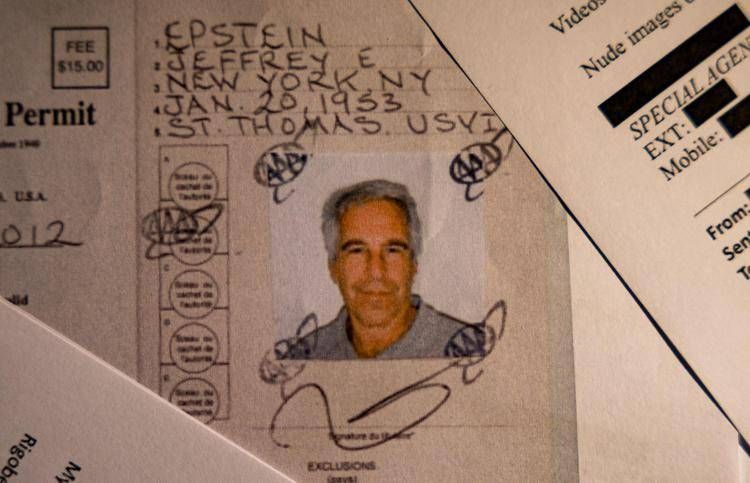
Epstein case, suspicions on guard Tova Noel before death
25 Marzo 2026
U.S. Congress summons former Manhattan jail guard over searches and cash deposits Epstein case, suspicions on guard Tova Noel before...
Read More
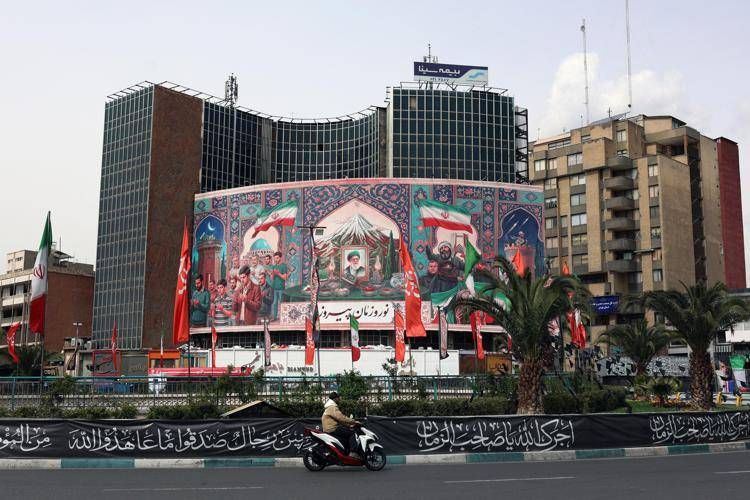
Ghalibaf’s role in Iran’s new phase after February 2026 crisis
24 Marzo 2026
Following Ali Khamenei’s death and external strikes, Iran’s power structure shifts, elevating the Parliament speaker as a key political figure...
Read More
Kentucky farmer rejects $26M offer for land sale to AI company
24 Marzo 2026
An 82-year-old landowner near Maysville refuses to sell farmland despite a bid far above market value A farmer in Kentucky...
Read More

Sarah Ferguson book on Epstein sparks tension with Buckingham Palace
23 Marzo 2026
A potential biography by the Duchess of York could reveal royal secrets. King Charles reportedly ready to respond A book...
Read More

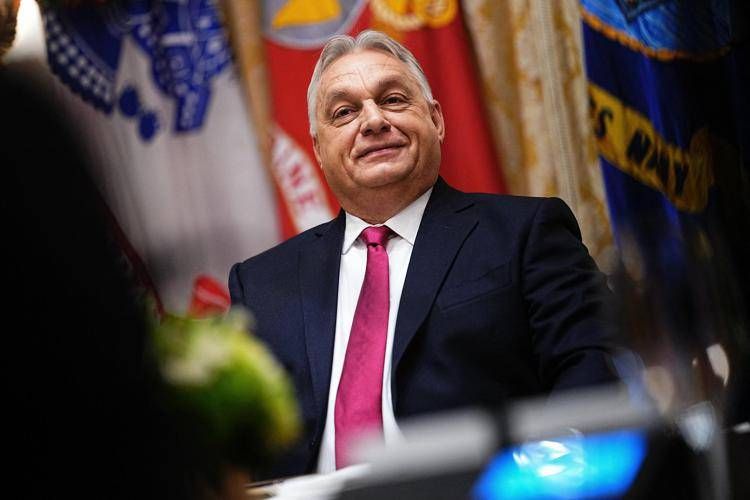
Hungary, Russian plan to boost Orban: fake assassination plot before the vote
22 Marzo 2026
According to an intelligence report, Moscow considered extreme measures to influence the election One month before the elections in Hungary,...
Read More
(Photo: © AndKronos)