Police say a single gunman opened fire across three homes following a domestic incident. The suspect was later shot dead...
Read More
International-News
US-Israel intelligence led to killing of Ali Khamenei
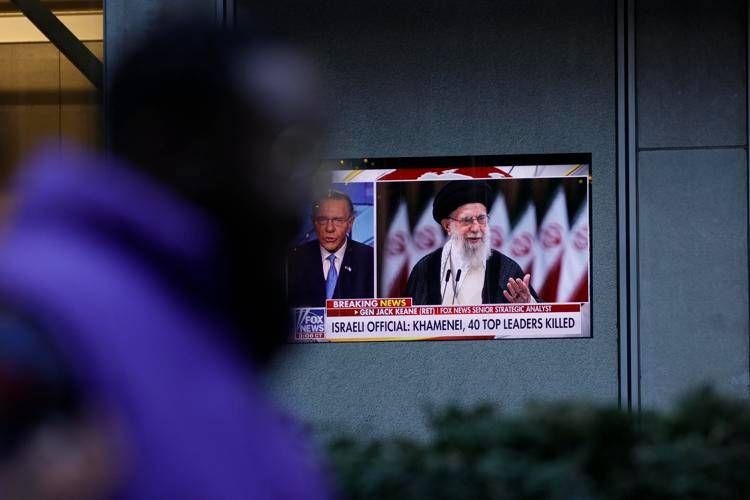
Sources cited by The New York Times say months of CIA surveillance and shared intelligence prompted Israel to advance a planned strike in Tehran
US-Israel intelligence led to killing of Ali Khamenei following months of coordinated surveillance and high-level intelligence sharing between Washington and Tel Aviv, according to sources familiar with the operation cited by The New York Times.
The report states that the CIA had tracked Khamenei’s movements for months, refining assessments of his routines and travel patterns. On the eve of the strike, U.S. intelligence reportedly identified a senior leadership meeting scheduled for Saturday morning inside a government compound in central Tehran, an area housing the offices of the presidency, the Supreme Leader and the National Security Council. The anticipated presence of Khamenei was described as a decisive element in the intelligence assessment.
Based on that information, Washington and Israel are said to have altered the timing of an operation that had initially been planned for overnight execution. The strike was reportedly moved forward to capitalize on what officials described as a narrow intelligence window. The CIA is said to have provided Israel with what were characterized as “high-precision” details regarding the Supreme Leader’s location.
US-Israel intelligence led to killing of Ali Khamenei as part of an operation that Israeli officials had been planning for months. According to the account, Israeli fighter jets armed with long-range, precision-guided munitions took off around 6 a.m. Israel time. Approximately two hours later, at about 9:40 a.m. Tehran time, long-range missiles struck the compound.
An Israeli defense official said the attack targeted multiple sites in the capital simultaneously, where senior political and security officials were gathered. Israeli sources indicated that those reportedly present at the meeting included, in addition to Khamenei, Revolutionary Guard commander-in-chief Mohammad Pakpour, Defense Minister Aziz Nasirzadeh, National Defense Council Secretary Ali Shamkhani, Aerospace Force commander Seyyed Majid Mousavi, and Deputy Intelligence Minister Mohammad Shirazi.
US-Israel intelligence led to killing of Ali Khamenei in what sources described as a highly coordinated operation reflecting deep intelligence penetration of Iran’s senior leadership. The speed and precision of the strike, according to the same account, underscore the level of operational coordination developed after last year’s 12-day war and highlight what sources described as vulnerabilities in Tehran’s security arrangements during a period of open escalation.
THE LATEST NEWS

North Korea Fires Unidentified Ballistic Missile, Seoul and Tokyo Say
19 Aprile 2026
Japan and South Korea report a suspected ballistic missile launch as Pyongyang continues a series of weapons tests under Kim...
Read More
Donald Trump Approval Rating Falls to 37% in NBC News Poll
19 Aprile 2026
A new NBC News survey shows declining support for the U.S. president, with sharp criticism over the economy and his...
Read More
Several Injured in Iowa City Shooting Near University Campus Area
19 Aprile 2026
Police say multiple people were taken to hospital after gunfire erupted during a night incident near the University of Iowa...
Read More
UK security clearance failure for Mandelson triggers top resignation
17 Aprile 2026
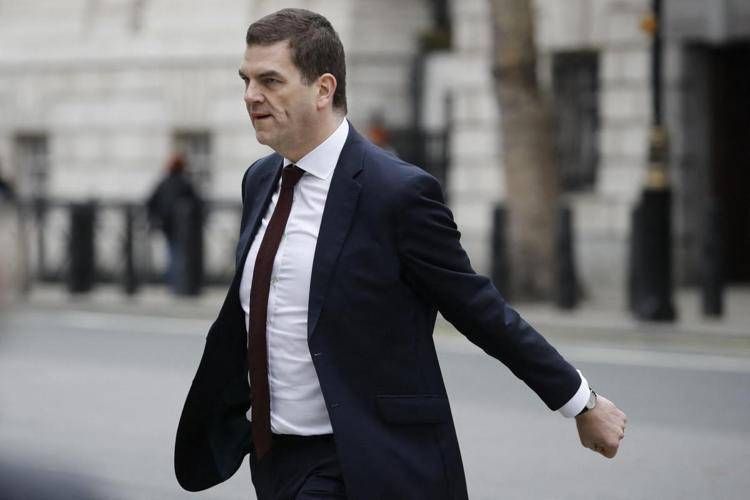
Sir Olly Robbins steps down after Keir Starmer was not informed that Lord Mandelson failed top-level security vetting required for...
Read More
Israel-Hezbollah ceasefire, Trump announces 10-day truce taking effect at midnight
16 Aprile 2026
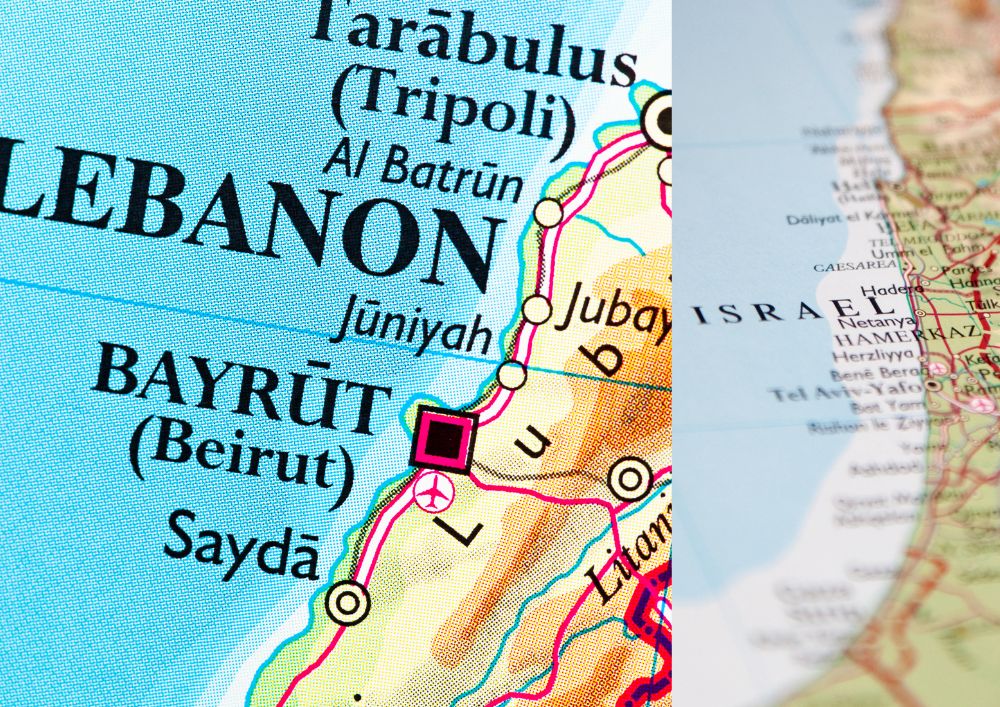
U.S. president says agreement follows talks with Netanyahu and Aoun, with White House meetings planned U.S. President Donald Trump announced...
Read More
(Photo: © AndKronos)