After 16 years in power, Viktor Orbán acknowledges a decisive loss to opposition leader Peter Magyar, whose Tisza movement is...
Read More
International-News
R. D. Congo: mysterious epidemic causes over 50 deaths in five weeks
Ongoing WHO investigation, excluding Ebola and Marburg: cause remains unknown
A mysterious disease has caused the deaths of more than 50 people in north-western Democratic Republic of Congo in the past five weeks, according to the World Health Organisation (WHO). The epidemic, which has seen a rapid increase in cases, was first identified among three children who allegedly consumed bat meat. To date, 431 cases have been registered, with a death toll of 53. Local health authorities and the WHO have launched extensive investigations to understand the nature of the virus, but the exact cause of the disease remains unknown.
The main symptoms, such as high fever, vomiting and internal bleeding, mainly affected communities in the villages of Bomate and Boloko. The victims, often children, became fulminantly ill, with a lethal course that in many cases led to death within 48 hours of the onset of symptoms. Dr Serge Ngalebato, medical director of the Bikoro hospital, expressed concern about the high lethality rate of the disease, highlighting the seriousness of the situation and the lack of adequate health resources in the region to cope with the epidemic.
‘Local health infrastructure is extremely limited and surveillance capacity is insufficient to cope with a situation of this magnitude,’ explained Tarik Jašarević, WHO spokesperson, in an emergency briefing. Local authorities have sent blood samples from patients for laboratory tests, which so far have ruled out known viruses such as Ebola and Marburg. Other possible causes are being examined, including malaria, less common haemorrhagic fevers, typhoid and food poisoning.
One of the most dramatic outbreaks of the epidemic occurred in the village of Bomate, where 45 people died out of 419 infected, a particularly high number that raised the alarm of health workers. The first outbreak was reported on 21 January in the village of Boloko, where three children died after eating a dead bat. Again, symptoms progressed rapidly to haemorrhagic signs, such as nosebleeds and vomiting with blood traces.
Despite ongoing investigations, the WHO has not yet identified any direct link between the different outbreaks, and the possibility of a new infection or an unknown toxic agent remains open. ‘We are looking at every possible cause, from infections to environmental factors or food contaminants,’ Jašarević said. A similar outbreak last December, also in the Democratic Republic of Congo, initially raised concerns about possible international spread, but was later traced to a severe form of malaria.
While investigations continue, international and Congolese health authorities are trying to contain the epidemic and prevent further contagion, especially in rural areas where medical resources are scarce and access to treatment limited. The risk of large-scale spread remains high, and further deaths are feared if the causes are not quickly identified and effective prevention and control measures implemented.
THE LATEST NEWS

Sinner defeats Alcaraz to win Monte Carlo and claim world No. 1
12 Aprile 2026
The Italian beats the Spaniard 7-6(5), 6-3 in the final, sealing both the title and the top spot in the...
Read More

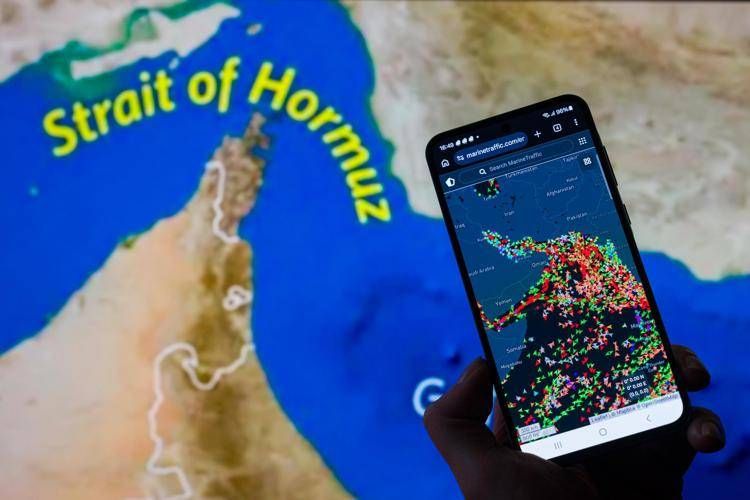
Iran Unable to Fully Reopen Strait of Hormuz Due to Naval Mines, U.S. Officials Say
11 Aprile 2026
New York Times cites Pentagon sources on technical limits; Trump pushes for reopening amid Islamabad talks with Tehran Iran would...
Read More
CDC Vaccine Report Delayed as Trump Administration Faces Criticism Over COVID Data
11 Aprile 2026
Washington Post reports postponement of study on vaccine effectiveness; Italian infectious disease expert Matteo Bassetti criticizes U.S. health leadership The...
Read More

U.S. Destroyers Cross Strait of Hormuz as Trump Announces “Clearing Operation”
11 Aprile 2026
WSJ cites sources confirming passage of two U.S. warships amid conflicting Iranian denials and renewed tensions over navigation in the...
Read More
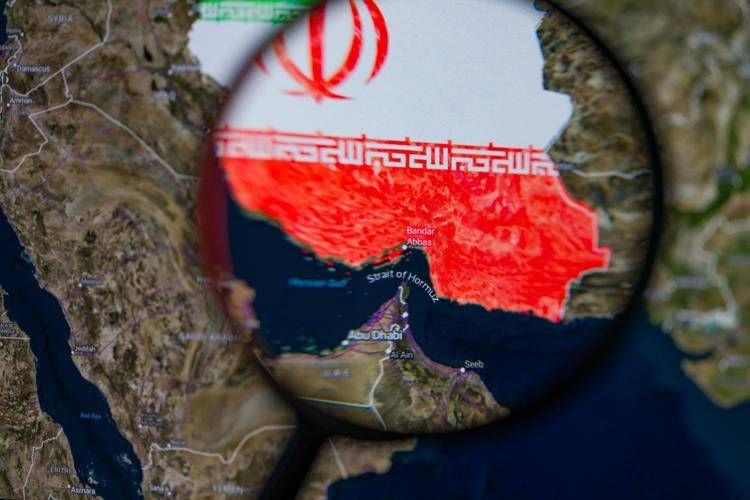
Mojtaba Khamenei Still Active After February 28 Israeli Strike, Report Says
11 Aprile 2026
Sources cited by Reuters say Iran’s new Supreme Leader is recovering from severe injuries but continues to take part in...
Read More

(Photo: © AndKronos)