La procura di Roma indaga Jacques e Jessica Moretti per disastro colposo e omicidio plurimo colposo: secondo le accuse, uscite...
Read More
International-News
US-Iran ceasefire talks in Islamabad test fragile truce
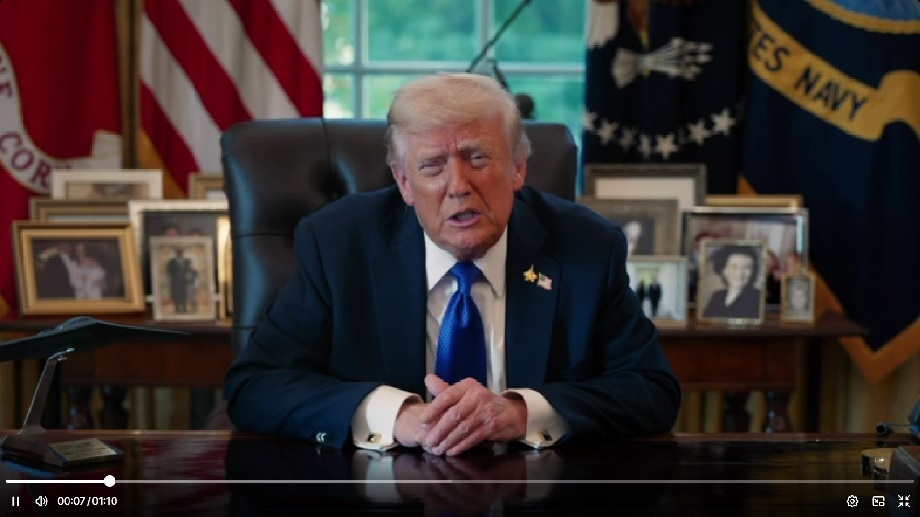
Washington signals cautious optimism as Vice President JD Vance heads to Pakistan for the highest-level talks since 1979, while warning Tehran against bad-faith tactics
A more relaxed atmosphere has taken hold at the White House after days of tension leading up to Donald Trump’s announcement of a temporary two-week ceasefire with Iran.
An administration spokesperson told Adnkronos that the outlook remains positive, echoing remarks by Vice President JD Vance before departing for Islamabad, where the highest-level talks between the United States and Iran since 1979 are set to begin. “If they try to play us, they’ll find the negotiating team is not very receptive,” Vance said.
The spokesperson also warned that Tehran must avoid tactics seen in previous rounds of negotiations in Switzerland and Oman, where, according to envoy Steve Witkoff, Iranian representatives attempted to obscure key figures in a preliminary draft agreement.
In a proposal presented in Geneva, Iran sought permission to enrich uranium at higher levels within the Tehran Research Reactor, a civilian facility officially used for medical and agricultural purposes. The draft outlined enrichment at 20 percent, exceeding the 3.67 percent cap set under the 2015 nuclear agreement reached during the Obama administration.
Witkoff had previously cautioned that enrichment at 20 percent would significantly shorten the timeline to weapons-grade material. Uranium enriched to 60 percent—of which Iran was said to possess 460 kilograms—would be only days away from reaching the 90 percent threshold required for nuclear weapons.
The delegation led by Vance arrives in Islamabad with two clear directives from Trump: no Iranian military nuclear program and the full reopening of the Strait of Hormuz to all shipping without tolls. According to the Washington Post, the administration may also seek the release of U.S. citizens detained in Iran, though there are concerns this could complicate already delicate negotiations.
The current ceasefire could be extended beyond the initial two weeks if the White House determines that sufficient progress has been made. Officials view the pause in hostilities as a potential bridge toward a broader agreement with the Islamic Republic.
At the same time, both the Pentagon and Trump have stressed that U.S. forces remain deployed in the Persian Gulf and are prepared to resume military operations if talks collapse or if Iran is deemed to be negotiating in bad faith. In an interview with the New York Post, Trump warned that military action would intensify without a deal, describing the situation as “a reset” and signaling that more advanced weapons systems are ready for deployment.
He added that the next 24 hours could prove decisive in determining whether the talks succeed. “We’ll know soon,” he said.
Analysts remain cautious about the prospects for a breakthrough, citing multiple destabilizing factors. One of the most critical variables is Lebanon and Israel’s ongoing military posture. Alissa Pavia of the Atlantic Council noted that Israel continues operations against Hezbollah in southern Lebanon, aiming to reduce threats to northern Israeli communities.
While Iran and Pakistan have suggested the ceasefire framework extends to Lebanon, Benjamin Netanyahu has stated explicitly that no such ceasefire is in place. That position has prompted Iranian President Masoud Pezeshkian to warn that negotiations could become “meaningless.”
According to Elizabeth Threlkeld of the Stimson Center, Pakistan’s role as mediator has clear limits. While it may facilitate dialogue, it lacks the leverage to force concessions on core issues such as nuclear enrichment or the reopening of the Strait of Hormuz.
Trust between Washington and Tehran remains fragile. Trump has already accused Iran of failing to uphold previous commitments regarding the strategic waterway, raising doubts about the durability of any agreement reached in Islamabad.
At the same time, analysts note that Trump has strong incentives to secure a deal. Global markets remain vulnerable to disruptions in the Strait of Hormuz, and there are indications that Iran may be willing to negotiate a partial reduction of its nuclear stockpile, a move that could be framed as a political success.
Still, Tehran is unlikely to engage fully on the nuclear issue while Israeli strikes on Hezbollah continue. Such a move could be interpreted domestically as a unilateral concession with potentially serious implications for the regime.
Trump has suggested that Iran’s current leadership may be more pragmatic than in the past, referring to it as a “third regime” that presents a harder line publicly than in private negotiations. At the same time, he expressed skepticism about Tehran’s messaging, noting inconsistencies between statements made in direct talks and those delivered to the media.
LE ULTIME NOTIZIE
Rincari energia e carburanti: luce, gas, mutui e RC auto in aumento con la crisi tra Iran e Usa
14 Aprile 2026
Per Facile.it la tensione geopolitica incide sui costi energetici: famiglie e imprese verso aumenti su bollette, carburanti, mutui variabili e...
Read More
Guasto sulla linea Alta Velocità Napoli–Roma: ritardi fino a 3 ore e treni cancellati
14 Aprile 2026
Guasto al nodo ferroviario di Napoli paralizza la circolazione AV con deviazioni e cancellazioni su più tratte Forti rallentamenti oggi,...
Read More

Meteo Italia: piogge sporche e poi caldo fuori stagione fino a 25°C
14 Aprile 2026
Scirocco e polveri sahariane sull’Italia: cieli lattiginosi e piogge sporche poi temperature fino a 25°C. Le previsioni meteo dei prossimi...
Read More

Foggia, personal trainer ucciso a colpi di pistola vicino allo stadio
14 Aprile 2026
Il 42enne stava passeggiando con il cane in via Caracciolo. Indagini in corso dei carabinieri Un uomo è stato ucciso...
Read More

Ungheria, dopo vittoria Magyar propone limite due mandati per il premier
14 Aprile 2026
Il leader di Tisza accelera sulle riforme dopo il voto: “Otto anni al massimo per governare”. Una mossa anti Orban...
Read More
Ravenna, 29enne ucciso alla Darsena con una coltellata: ferito un 36enne
14 Aprile 2026
Il corpo trovato nella notte in via Antico Squero. Un altro uomo portato in ospedale, non è grave Un uomo...
Read More

Turchia, sparatoria in una scuola a Sanliurfa: 16 feriti, studente si suicida
14 Aprile 2026
Il giovane ha aperto il fuoco e preso ostaggi in un istituto tecnico a Siverek. L’annuncio del governatore Sildak Sparatoria...
Read More
Omicidio Ascione, fermati due giovani di 23 e 17 anni: ucciso mentre tornava dal lavoro
14 Aprile 2026
Il 23enne si è consegnato, il minorenne rintracciato in casa. Accuse aggravate dal metodo mafioso Hanno 23 e 17 anni...
Read More
Hormuz, petroliera cinese attraversa il blocco Usa: tensione dopo lo stop deciso da Trump
14 Aprile 2026
La Rich Starry passa nello stretto nonostante il blocco navale. Nuovo stallo nei negoziati: Trump respinge la proposta iraniana Il...
Read More
 Crans Montana, tragedia nel locale Le...
14 Aprile 2026
Crans Montana, tragedia nel locale Le...
14 Aprile 2026
 Rincari energia e carburanti: luce, gas,...
14 Aprile 2026
Rincari energia e carburanti: luce, gas,...
14 Aprile 2026
 Guasto sulla linea Alta Velocità Napoli–Roma:...
14 Aprile 2026
Guasto sulla linea Alta Velocità Napoli–Roma:...
14 Aprile 2026
 Meteo Italia: piogge sporche e poi...
14 Aprile 2026
Meteo Italia: piogge sporche e poi...
14 Aprile 2026
 Foggia, personal trainer ucciso a colpi...
14 Aprile 2026
Ungheria, dopo vittoria Magyar propone limite...
14 Aprile 2026
Foggia, personal trainer ucciso a colpi...
14 Aprile 2026
Ungheria, dopo vittoria Magyar propone limite...
14 Aprile 2026
 Ravenna, 29enne ucciso alla Darsena con...
14 Aprile 2026
Turchia, sparatoria in una scuola a...
14 Aprile 2026
Omicidio Ascione, fermati due giovani di...
14 Aprile 2026
Hormuz, petroliera cinese attraversa il blocco...
14 Aprile 2026
Ravenna, 29enne ucciso alla Darsena con...
14 Aprile 2026
Turchia, sparatoria in una scuola a...
14 Aprile 2026
Omicidio Ascione, fermati due giovani di...
14 Aprile 2026
Hormuz, petroliera cinese attraversa il blocco...
14 Aprile 2026
(con fonte AdnKronos)