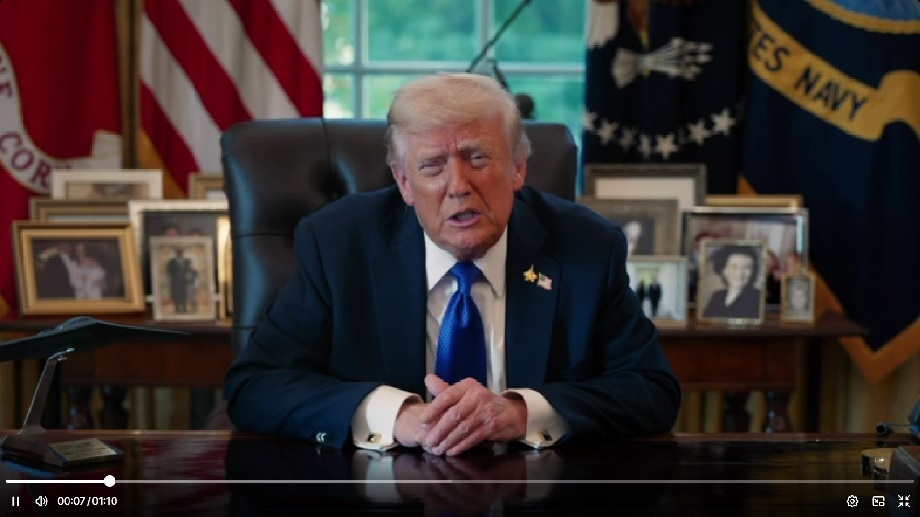
President says attacker acted alone; FBI urges public to share information as investigation expands. Donald Trump shared on Truth Social...
Read More
International-News
Trump administration pursuing regime change in Cuba with Cuban-American support
U.S. government explores negotiations with Havana while Cuban-Americans weigh risks and opportunities in the island’s political transition
Trump administration pursuing regime change in Cuba – As he skillfully rolls cigars at a remarkable speed, a Cuban-American worker at La Casa Grande Cigars in the Bronx responds to questions without looking up from the tobacco leaves. He declines to give his name but expresses concern for family still living in Cuba: “You’ve seen the videos online—since Venezuelan oil stopped arriving, the situation is difficult. Of course, I’m glad if my island becomes a democracy, but I also fear the risks of instability,” he tells Adnkronos.
At Arthur Avenue in Little Italy, a dozen Cuban-Americans work at the cigar producer located within the market. While most avoid direct comments, they indicate support for a regime change in Cuba. “We’re with Trump, we trust him,” says another employee.
The Wall Street Journal reports, citing sources within the White House, that the Trump administration is attempting to establish contact within the Havana regime to reach an agreement and remove the current government by the end of the year. Secretary of State Marco Rubio, shortly after the arrest of Nicolás Maduro in Venezuela, hinted that Cuba could be next: “If I were the Cuban government, I wouldn’t be too calm. They’re in a big mess,” Rubio said at a press conference.
Rubio, born and raised in Miami’s Cuban-American community, has longstanding ties to Republican politics and Trump. During the 2016 primaries, he addressed the community at an impromptu basketball court rally, speaking from the back of a pickup truck. “We’ll return to Cuba; it will be our land again,” he declared to applause. While Trump won the primaries that year, Rubio remained a senator without a role in the first Trump administration.
Now leading the State Department, Rubio has made regime change in Cuba a foreign policy priority, rooted in neoconservative principles he has maintained while joining the MAGA movement. Hugo Cancio, owner of an online supermarket chain exporting food to Cuba, told the Miami Herald, “After years of attempted reforms, the Cuban government doesn’t have much time left.”
Cuban-American communities are circulating rumors of a potential agreement offering benefits to refugees who fled after Fidel Castro’s rise in 1959. Sources indicate that Trump may negotiate economic compensation for displaced Cubans who lost property, alongside opportunities for investment and development, creating prospects for thousands of Cuban-Americans.
The Cuba Study Group, an influential Cuban-American organization supporting private-sector growth on the island, has called for dialogue with the United States. In a statement, the group warned that Cuba cannot rely on external aid: “No international actor will resolve the crisis,” and previous approaches “will not prevent collapse.” The group urged Havana to undertake political reforms involving the diaspora, strengthen rule of law, pluralism, and a market-oriented economy without dismantling social protections, including releasing political prisoners unconditionally.
According to the Wall Street Journal, the Trump administration is holding private meetings with Cuban exiles and organizations in Miami and Washington to identify potential interlocutors within Havana willing to “read the signs of change” and engage in negotiations.
“We’re not sure there’s interest from the regime, but we continue to hope. I haven’t returned home for years, fearing problems upon arrival,” says a Cuban exile outside a Jackson Heights café. On Reddit and private Telegram and WhatsApp groups, Cuban-Americans caution each other: “Don’t trust journalists—it’s an ICE trap,” referring to federal agents involved in immigration enforcement.
Today, nearly all Cuban-Americans in the U.S. entered through asylum programs, with roughly 1.3 million living in the country. In recent years, illegal entry attempts have surged due to Cuba’s economic crisis since 2021. U.S. Customs and Border Protection reported that in 2021 almost 39,000 Cubans attempted illegal entry. In 2022, the number jumped 500% to 220,000, with about 115,000 detained between October 2021 and April 2022.
THE LATEST NEWS
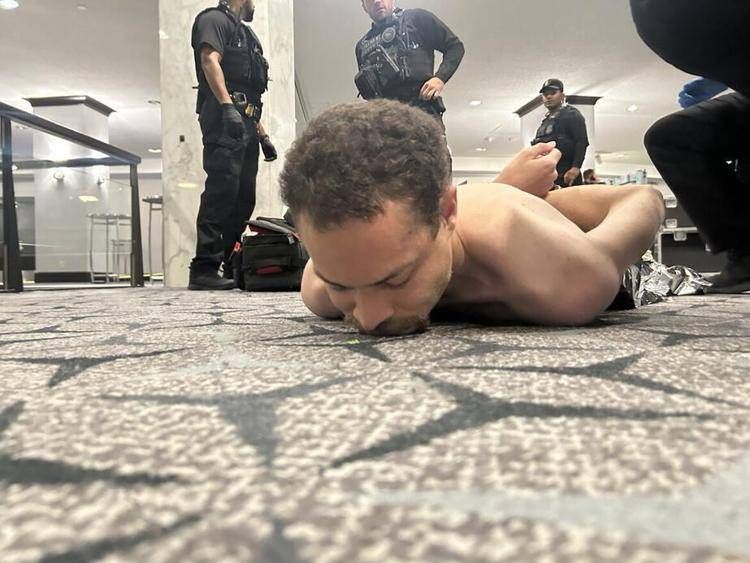
US Special Forces Soldier Arrested Over Maduro Operation Insider Trading Scheme
24 Aprile 2026
Federal prosecutors say the servicemember used classified intelligence tied to “Operation Absolute Resolve” to place high-stakes bets on Polymarket, netting...
Read More

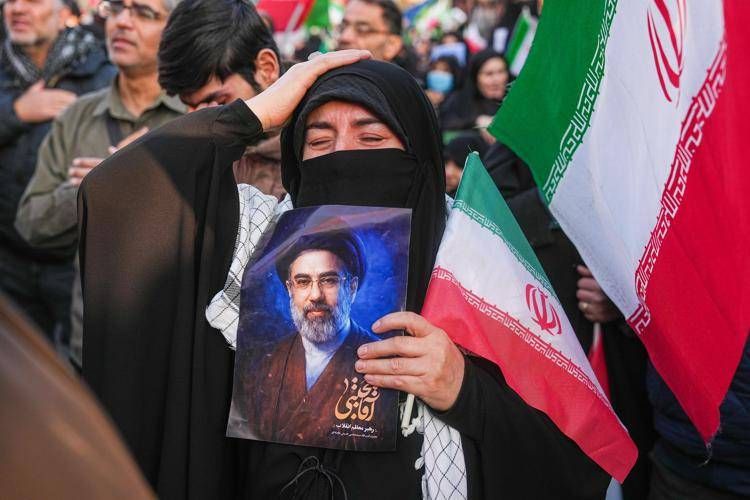
Mojtaba Khamenei seriously injured in Israeli strike on residence compound
23 Aprile 2026
The Supreme Leader’s son, Mojtaba Khamenei, sustained severe injuries in an Israeli attack on his residential complex on February 28,...
Read More
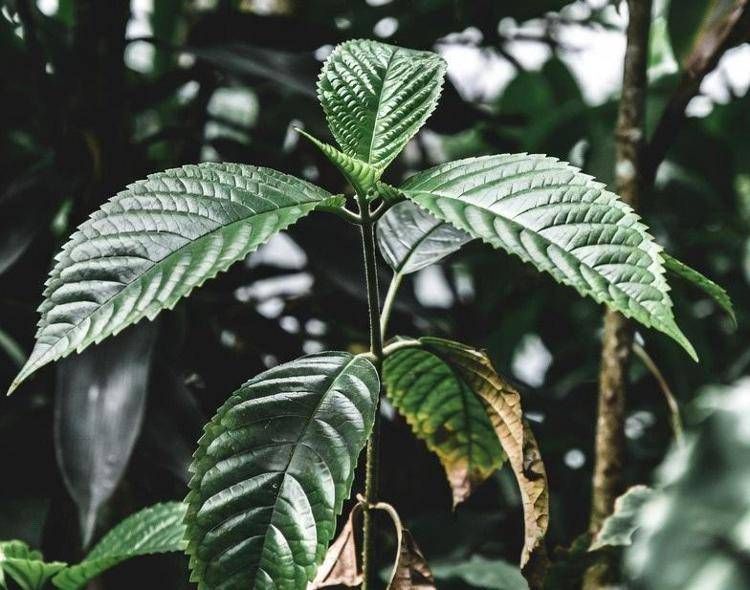
Kratom boom raises alarm as poison center cases surge in the US
23 Aprile 2026
Study finds 65-fold increase in exposures and growing number of severe medical outcomes linked to plant-based psychoactive substance A plant-derived...
Read More
Jet fuel crisis forces flight cuts as summer travel nears
22 Aprile 2026
Lufthansa cancels 20,000 short-haul flights, while Ryanair warns of rising costs and market instability A growing jet fuel crisis is...
Read More
Texas clears Ten Commandments display in classrooms after appeals court ruling
22 Aprile 2026
Split federal decision says law does not breach First Amendment; civil rights groups plan Supreme Court appeal Texas can require...
Read More
(Source: © AndKronos)