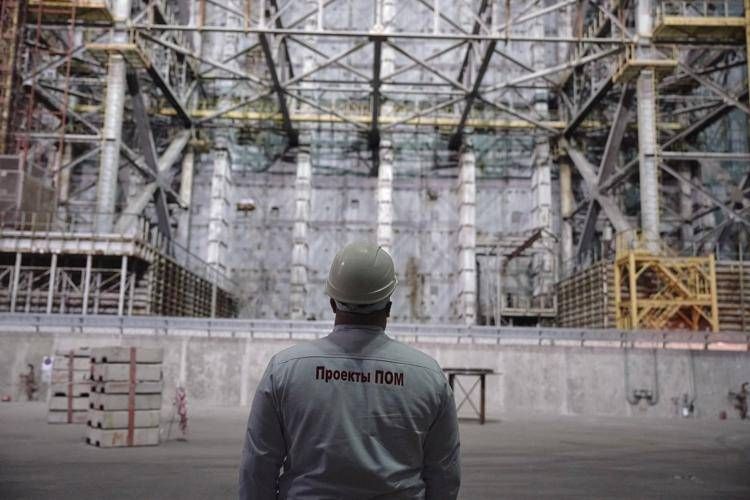
The 1986 reactor explosion remains the worst nuclear accident in history, while the site continues to face modern security risks...
Read More
International-News
Jet fuel crisis forces flight cuts as summer travel nears
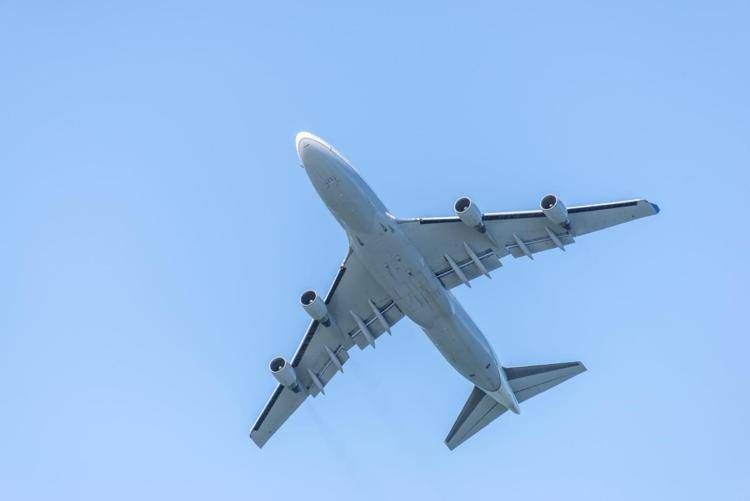
Lufthansa cancels 20,000 short-haul flights, while Ryanair warns of rising costs and market instability
A growing jet fuel crisis is starting to disrupt European air travel just as the summer holiday season approaches, with major carriers warning of cancellations, rising costs, and prolonged instability.
Lufthansa has announced a drastic reduction in its flight schedule due to fuel shortages. Up to 20,000 short-haul flights will be canceled by October, most of them operated by its regional subsidiary CityLine.
The airline aims to streamline its summer operations across its six main hubs—Frankfurt, Munich, Zurich, Vienna, Brussels, and Rome—while further adjustments to medium-term planning are expected between late April and early May.
In contrast, Ryanair says it does not expect cancellations at least through May. However, CEO Michael O’Leary warned that if the conflict in the Middle East continues and the Strait of Hormuz remains blocked, up to 10–20% of the airline’s fuel supply could be at risk.
“For May, oil companies are reassuring us, but for June we have no certainty,” O’Leary said, directly criticizing President Donald Trump over Middle East policy. “As long as the situation is handled this poorly, prices will remain extremely high.”
The United Kingdom is seen as particularly exposed due to its dependence on fuel imports from Kuwait, while the rest of Europe is partially shielded thanks to diversified supply sources, including Norway, West Africa, and the United States. Still, O’Leary stressed that uncertainty dominates the market: “Even if the war ended tomorrow, it would take months to return to normal.”
Jet fuel prices could fall below $100 per barrel only by September. Despite Ryanair hedging 80% of its fuel at $67 per barrel through 2027, the remaining 20%—unhedged—has surged dramatically, from $74 in February to $150 in April and May. This spike alone cost the airline an additional $50 million in April.
“If prices stay at $150 per barrel for a year, the extra cost would reach $600 million,” O’Leary added.
Such financial pressure could prove unsustainable for weaker carriers. O’Leary suggested that airlines like Wizz Air and airBaltic could face collapse between September and November if conditions do not improve—a scenario he described as beneficial for Ryanair’s competitive position.
Markets are already reacting nervously. Ryanair shares have dropped from €32 to €25 amid escalating geopolitical tensions. “We have no visibility on fuel prices for June, let alone next winter,” O’Leary said.
Beyond aviation, the crisis is reshaping travel demand. According to Aidit Federturismo Confindustria, the conflict has triggered a sharp shift in tourist preferences. Data from a survey of 336 travel agencies across Italy show an almost total collapse in bookings to the Middle East, with significant declines also affecting Egypt (45%) and Turkey (37.8%).
The United States is also underperforming as a destination, attracting just 10.5% of demand—well below historical levels for Italian travelers. Meanwhile, domestic tourism in Italy is rising sharply (57.7%), along with short European trips (18.1%) and cruises (12.9%), reflecting a broader shift toward proximity and perceived safety.
The report highlights a growing “crisis of confidence” rather than a collapse in demand. “We are not facing a tourism demand crisis, but a confidence crisis that is blocking decision-making,” said Domenico Pellegrino.
Media coverage—particularly around jet fuel shortages—is amplifying uncertainty. According to the survey, 53% of travelers are primarily concerned about jet fuel issues, more than the conflict itself (30.4%) or rising costs (15.7%). Overall, 63.7% of customers appear more confused, 15.4% more cautious, and 14.5% increasingly reliant on professional advice.
All surveyed operators reported a significant impact of media narratives on demand, with 77% attributing a decisive role to media in declining sales and 93% stating they must actively correct misinformation.
“The customer now arrives informed, but often misinformed,” the association noted. This leads to longer consultation times, more complex sales processes, and slower decision-making.
Despite geopolitical tensions, the desire to travel remains intact—but increasingly shaped by risk assessment and the need for reassurance.
THE LATEST NEWS
Trump posts suspect image after Washington shooting arrest
26 Aprile 2026
President says attacker acted alone; FBI urges public to share information as investigation expands. Donald Trump shared on Truth Social...
Read More

US Special Forces Soldier Arrested Over Maduro Operation Insider Trading Scheme
24 Aprile 2026
Federal prosecutors say the servicemember used classified intelligence tied to “Operation Absolute Resolve” to place high-stakes bets on Polymarket, netting...
Read More

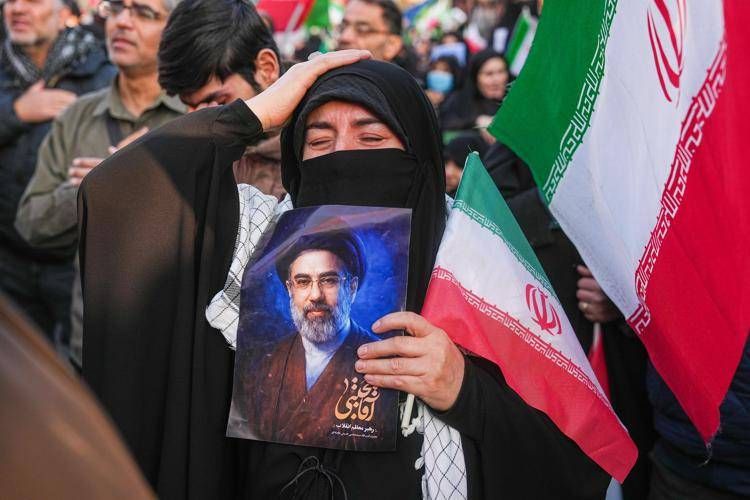
Mojtaba Khamenei seriously injured in Israeli strike on residence compound
23 Aprile 2026
The Supreme Leader’s son, Mojtaba Khamenei, sustained severe injuries in an Israeli attack on his residential complex on February 28,...
Read More
Kratom boom raises alarm as poison center cases surge in the US
23 Aprile 2026
Study finds 65-fold increase in exposures and growing number of severe medical outcomes linked to plant-based psychoactive substance A plant-derived...
Read More

Jet fuel crisis forces flight cuts as summer travel nears
22 Aprile 2026
Lufthansa cancels 20,000 short-haul flights, while Ryanair warns of rising costs and market instability A growing jet fuel crisis is...
Read More
(Photo: © AndKronos)