President says attacker acted alone; FBI urges public to share information as investigation expands. Donald Trump shared on Truth Social...
Read More
International-News
EU prepares new sanctions on Iran amid ongoing protests and repression
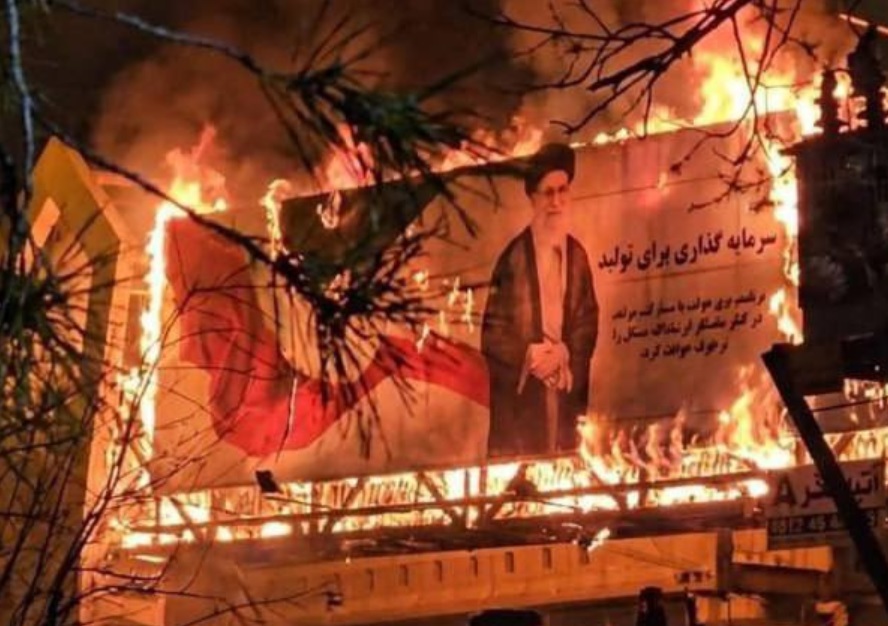
Brussels steps up economic and diplomatic pressure on Tehran as human rights abuses and violent crackdowns escalate
EU prepares new sanctions on Iran amid ongoing protests and repression – The European Union is preparing to implement new sanctions on Iran in response to the brutal crackdown on ongoing protests, which human rights groups estimate may have caused up to 12,000 deaths. The measures, similar to those applied to Russia after the invasion of Ukraine, aim to exert economic and diplomatic pressure while the United States and Israel consider military options.
EU Foreign Policy Chief Kaja Kallas and European Commission President Ursula von der Leyen have signaled their readiness to expand current restrictive measures. Von der Leyen condemned the excessive use of force and ongoing restrictions on freedoms, emphasizing the EU’s support for the Iranian people marching for liberty.
The new sanctions will build upon existing measures targeting human rights abuses, nuclear proliferation, and Iran’s military support to Russia’s aggression in Ukraine. Past sanctions, in place since 2011 and extended through April 13, 2026, have included travel bans, asset freezes, and prohibitions on supplying equipment that could be used for internal repression. Currently, over 230 individuals and 40 entities have been sanctioned for human rights violations.
In addition, the EU has imposed three cycles of drone-related sanctions and established frameworks for Iran’s military support to armed groups in the Middle East and Red Sea regions. Sanctioned parties include drone manufacturers, missile propellant producers, shipping companies, the Iranian Revolutionary Guard Navy, Iranian airlines, and senior defense officials. These measures are in effect until July 27, 2026.
Commercial sanctions include bans on exporting arms, dual-use goods, nuclear-related equipment, crude oil, natural gas, petrochemical products, and certain software. Financial sanctions cover the Iranian Central Bank and major commercial banks, with strict reporting and authorization rules for large fund transfers. Transport sanctions restrict Iranian cargo flights and maintenance services within EU territory.
Most recently, on September 29, 2025, the EU reinstated all economic and financial sanctions related to Iran’s nuclear program that had been lifted in 2016, following the UN Security Council’s decision not to extend the suspension of UN sanctions.
These steps underline the EU’s determination to prevent Iran from acquiring nuclear weapons and to hold accountable those responsible for human rights violations. The EU continues to prioritize both diplomatic and economic pressure to support fundamental rights and freedoms for the Iranian population.
Foto © Ernie Audino
THE LATEST NEWS

US Special Forces Soldier Arrested Over Maduro Operation Insider Trading Scheme
24 Aprile 2026
Federal prosecutors say the servicemember used classified intelligence tied to “Operation Absolute Resolve” to place high-stakes bets on Polymarket, netting...
Read More

Mojtaba Khamenei seriously injured in Israeli strike on residence compound
23 Aprile 2026
The Supreme Leader’s son, Mojtaba Khamenei, sustained severe injuries in an Israeli attack on his residential complex on February 28,...
Read More
Kratom boom raises alarm as poison center cases surge in the US
23 Aprile 2026
Study finds 65-fold increase in exposures and growing number of severe medical outcomes linked to plant-based psychoactive substance A plant-derived...
Read More

Jet fuel crisis forces flight cuts as summer travel nears
22 Aprile 2026
Lufthansa cancels 20,000 short-haul flights, while Ryanair warns of rising costs and market instability A growing jet fuel crisis is...
Read More
Texas clears Ten Commandments display in classrooms after appeals court ruling
22 Aprile 2026
Split federal decision says law does not breach First Amendment; civil rights groups plan Supreme Court appeal Texas can require...
Read More