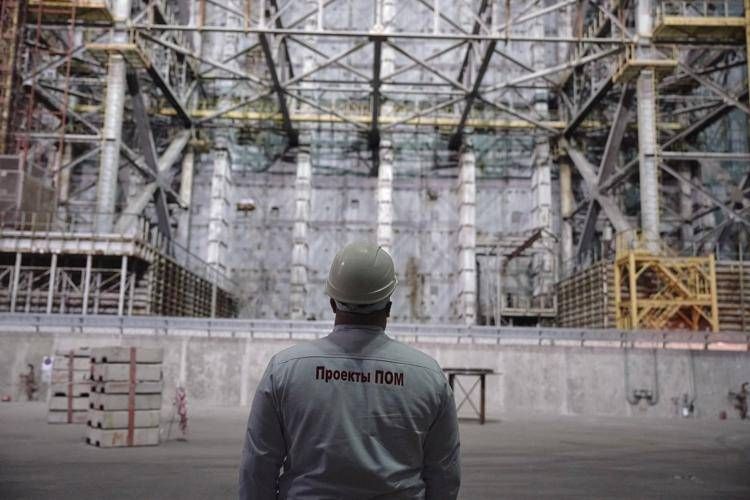
The 1986 reactor explosion remains the worst nuclear accident in history, while the site continues to face modern security risks...
Read More
International-News
Minister Sa’ar: ‘Israel attacks Iran to stop production of 9 atomic bombs’

The Israeli Foreign Minister clarifies on Tg1 the decision to take action against Tehran because of Iran’s nuclear programme, rejecting accusations of genocide in Gaza
Behind Israel’s decision to attack Iran was an “existential threat”, Israeli Foreign Minister Gideon Sa’ar said in an exclusive interview with Tg1.
According to Sa’ar, Israel acted “at the last possible moment” after verifying that Iran was rapidly approaching the production of nuclear weapons. “Within six months or even less,” he explained, “the accumulated material was sufficient to produce nine atomic bombs”, and Iran’s nuclear programme continued even during talks with the United States.
‘Last week,’ he added, ‘the International Atomic Energy Agency (IAEA) confirmed that Iran is not complying with the agreements. Having exhausted all other avenues, Israel had to act, because this represents an existential threat.’
When asked about the possibility that Iran’s supreme leader Khamenei could be a military target, Sa’ar replied: “I don’t think it’s appropriate to say that publicly. I will simply point out that Khamenei is responsible for the kidnapping of citizens from many countries”. He also clarified that it has neither been confirmed nor denied that he is a target and that such information is not disclosed to the media.
The minister recalled that Iran has already attempted to eliminate the Israeli prime minister and kill former US President Donald Trump.
Regarding the accusations of genocide against Israel for the events in Gaza, Sa’ar responded by calling them ‘naturally false.’ “We must remember who started this war: it is Hamas, which attacked on 7 October, is holding Israeli citizens hostage and refuses to lay down its arms. This war also involves Hezbollah and the Houthis and is orchestrated by Iran to destroy the Jewish state. The Palestinians in Gaza are themselves victims of Hamas.”
Finally, Sa’ar emphasised the good relations with Italy, citing the humanitarian project ‘Food for Gaza’ as a concrete example of aid, and highlighted the constructive dialogue with European Parliament President Tajani and Prime Minister Giorgia Meloni.
THE LATEST NEWS
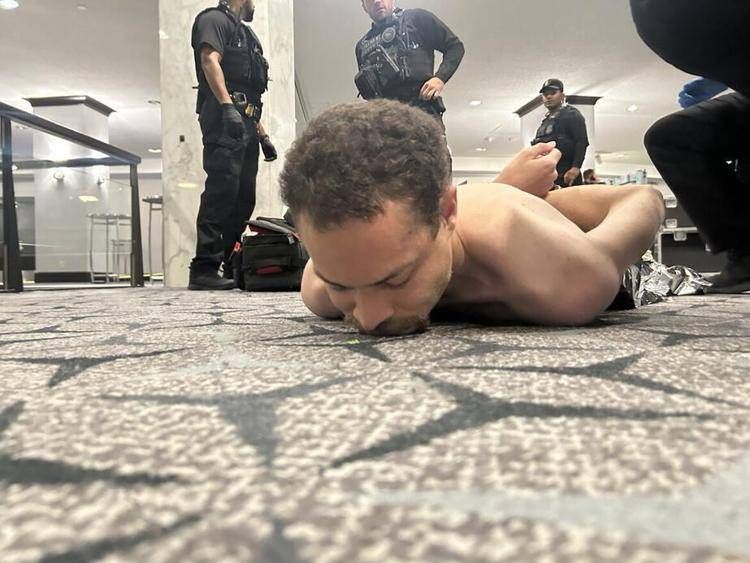
Trump posts suspect image after Washington shooting arrest
26 Aprile 2026
President says attacker acted alone; FBI urges public to share information as investigation expands. Donald Trump shared on Truth Social...
Read More
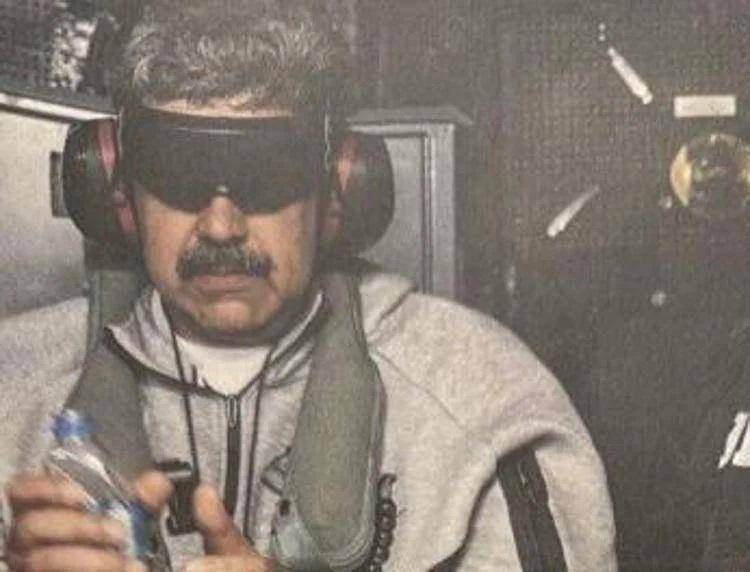
US Special Forces Soldier Arrested Over Maduro Operation Insider Trading Scheme
24 Aprile 2026
Federal prosecutors say the servicemember used classified intelligence tied to “Operation Absolute Resolve” to place high-stakes bets on Polymarket, netting...
Read More
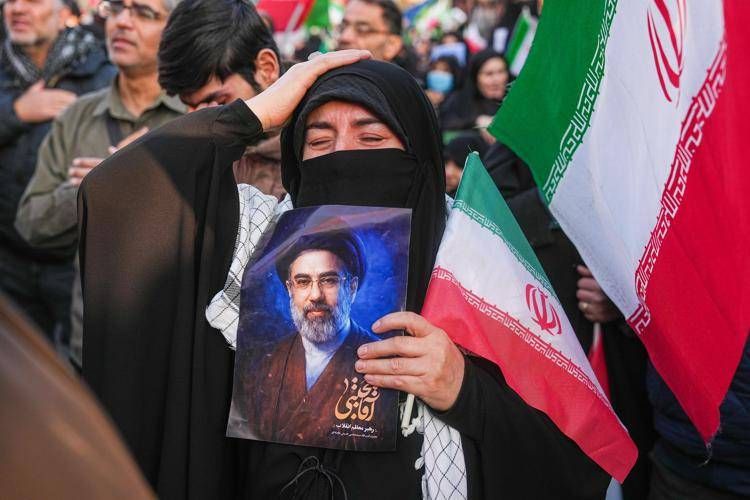
Mojtaba Khamenei seriously injured in Israeli strike on residence compound
23 Aprile 2026
The Supreme Leader’s son, Mojtaba Khamenei, sustained severe injuries in an Israeli attack on his residential complex on February 28,...
Read More
Kratom boom raises alarm as poison center cases surge in the US
23 Aprile 2026
Study finds 65-fold increase in exposures and growing number of severe medical outcomes linked to plant-based psychoactive substance A plant-derived...
Read More
Jet fuel crisis forces flight cuts as summer travel nears
22 Aprile 2026
Lufthansa cancels 20,000 short-haul flights, while Ryanair warns of rising costs and market instability A growing jet fuel crisis is...
Read More

(Photo: © AndKronos)