
Michael O’Leary urges restrictions after surge in disruptive passengers, citing daily diversions linked to alcohol abuse Ryanair CEO calls for...
Read More
International-News
Iran strikes US bases expose wider damage than reported
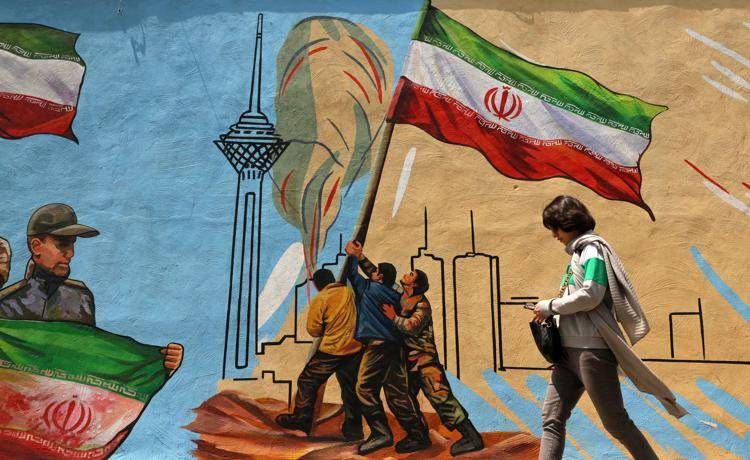
A Washington Post analysis based on satellite imagery challenges Trump’s claims and details extensive strikes across US installations in the Middle East
Iran strikes US bases expose wider damage than reported, according to a Washington Post investigation that outlines a battlefield reality at odds with President Donald Trump’s public narrative.
While Trump has repeatedly stated that Iran has been “militarily annihilated,” citing the destruction of its air force and navy, the analysis suggests Tehran retains significant offensive capacity, including missiles and launch systems capable of inflicting further damage.
Satellite analysis reveals scale of impact
The Washington Post reports that at least 228 structures or pieces of equipment at US military bases in the Middle East have been damaged or destroyed since the start of the conflict.
Targets include hangars, barracks, fuel depots, aircraft, radar installations, and air defense systems. The extent of the damage, the newspaper notes, appears “far greater” than what has been publicly acknowledged by Washington.
The findings are based on more than 100 high-resolution satellite images released by Iranian sources. Of these, 109 were verified against data from the European Copernicus system and, where available, commercial satellite imagery. Nineteen images were excluded due to lack of confirmation, though no evidence of manipulation was found.
Further independent review identified an additional 10 damaged structures not included in the Iranian material. In total, 217 buildings and 11 systems across 15 US bases in the region are believed to have been hit.
Limited access to satellite imagery
The report highlights restricted access to satellite imagery over the Middle East during the conflict.
According to the Washington Post, major commercial operators Vantor and Planet complied with US government requests to delay or suspend the release of images from the area, complicating efforts to independently assess the scale of Iranian counterstrikes.
Precision strikes and strategic gaps
Experts cited in the report say the damage points to a possible underestimation by the United States of Iran’s precision-strike capabilities and its use of drone warfare.
“Iranian strikes were precise, there are no random craters indicating missed targets,” said Mark Cancian of the Center for Strategic and International Studies.
Key targets across the region
Among the sites hit were a satellite communications facility at Al-Ubeid base in Qatar, Patriot air defense systems between Bahrain and Kuwait, and a satellite dish at the US naval base in Bahrain, home to the Fifth Fleet.
Other targets included a power plant at Camp Buehring in Kuwait and five mobile fuel depots across three separate bases.
In Kuwait, the tactical operations center—where six US service members were killed in a drone attack in early March—was reportedly left without adequate protection.
In Saudi Arabia, satellite imagery indicates the likely destruction of an E-3 Sentry radar aircraft at Prince Sultan Air Base after it had been repeatedly parked in the same unprotected location.
US response and operational impact
US Central Command (Centcom) has disputed the characterization of the damage as extensive or indicative of operational failures, emphasizing the complexity of assessing battlefield impact and deferring a full evaluation until the conflict concludes.
According to experts cited in the report, however, while the damage is significant, it has not substantially impaired the United States’ ability to conduct its military campaign against Iran.
THE LATEST NEWS

Iran strikes US bases expose wider damage than reported
6 Maggio 2026
A Washington Post analysis based on satellite imagery challenges Trump’s claims and details extensive strikes across US installations in the...
Read More
US–Iran preliminary memorandum to end war nears agreement
6 Maggio 2026
A 14-point draft outlines a ceasefire framework and 30-day talks on Iran’s nuclear program, sanctions relief, and maritime security The...
Read More

Narges Mohammadi in critical condition in Iran, lawyer says
5 Maggio 2026
The 2023 Nobel Peace Prize laureate, detained since December, was moved to hospital for heart complications Narges Mohammadi in critical...
Read More
Sinner dominates Zverev 6-1 6-2 to win Madrid Masters 1000
3 Maggio 2026
A one-sided final in Madrid: the Italian secures his fifth consecutive Masters 1000 title Sinner defeated Alexander Zverev 6-1 6-2...
Read More

Iran proposal to the US rejected by Trump over key demands
2 Maggio 2026
Tehran outlines terms on Hormuz, sanctions, and nuclear talks, but Washington deems the offer insufficient The Iran proposal to the...
Read More

(Photo: © AndKronos)

You must be logged in to post a comment Login