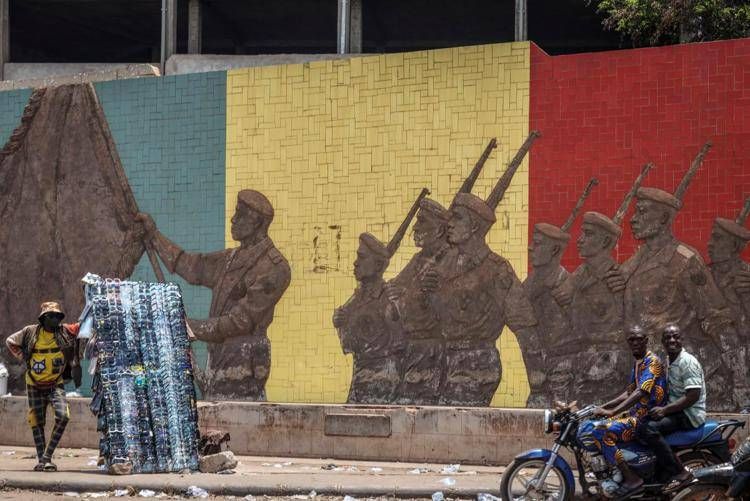
Russian-backed paramilitary forces pull out after coordinated attacks by jihadists and Tuareg rebels across northern Mali The Africa Corps retreat...
Read More
International-News
Putin and peace in Ukraine: what are the conditions dictated to stop the conflict?
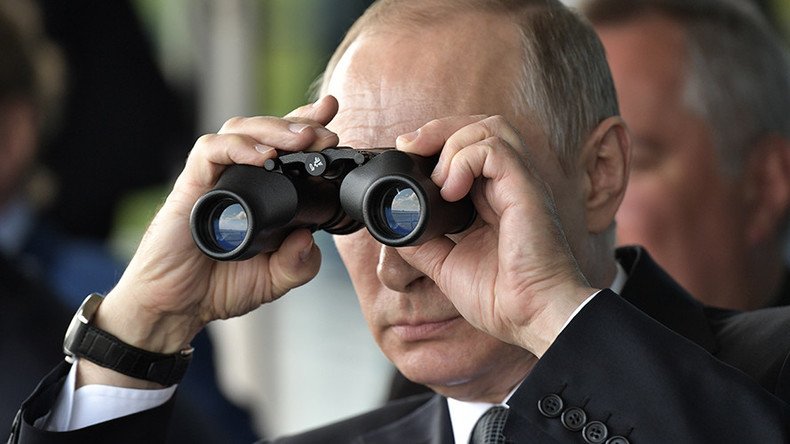
What are Vladimir Putin’s real conditions for accepting a truce in Ukraine? From Moscow’s red lines to the risks for Europe, the debate rages between negotiating tables and post-war scenarios
What does Putin really want to stop the war in Ukraine? This is the question asked daily by those attending the negotiations in Riyadh, in particular the delegations of the United States and Ukraine, represented by Donald Trump and Volodymyr Zelensky’s men. Europe, too, should ask itself what the conditions for a future post-conflict settlement might be.
This question generates many others: what conditions could Moscow set for a Kiev surrender? What is the limit beyond which the cost of peace becomes unacceptable? Moreover, as this limit varies for Trump, Zelensky and Europe, will it come down to a pre-packaged deal between Trump and Putin, with a ‘take it or leave it’ offer?
An interview published in Corriere della Sera with Evgeny Savostianov, former head of Moscow’s KGB now in exile and a critic of the Russian invasion, sheds light on these questions. Asked what the Russian president is looking for in the current negotiations, Savostianov replies: ‘Putin will only accept a truce when he is sure he can achieve his grand goals. He wants a Russian outpost on the right bank of the Dnieper, like Kherson and its surroundings, to keep pressure on Odessa, Transnistria and Chisinau. He will never accept the deployment of European deterrence forces in Ukraine: these are his ‘red lines’’.
Asked whether a real peace is possible, Savostianov responds sceptically: ‘I do not believe an end to the war is possible without a substantial change in the balance of power in Russia’s favour, even more marked than at present.
Putin’s ‘red lines’, outlined by those who know him well, reveal what is at stake for Europe. Russian Foreign Minister Sergei Lavrov also expressed contempt for the initiative of France and Great Britain to send peacekeeping forces to Ukraine, calling these powers ‘dreamers’ who demonstrate ‘failure and political incompetence’. Lavrov then evoked the image of Napoleon and Hitler, suggesting that Europe is repeating the mistakes of the past as Russia seeks to reassert its imperial grandeur.
Meanwhile, Europe risks remaining on the sidelines of decisions that will deeply affect it. Matteo Renzi effectively summed up this risk with a quote from a diplomat: ‘In foreign policy, if you’re not at the table, you’re on the menu’.
THE LATEST NEWS
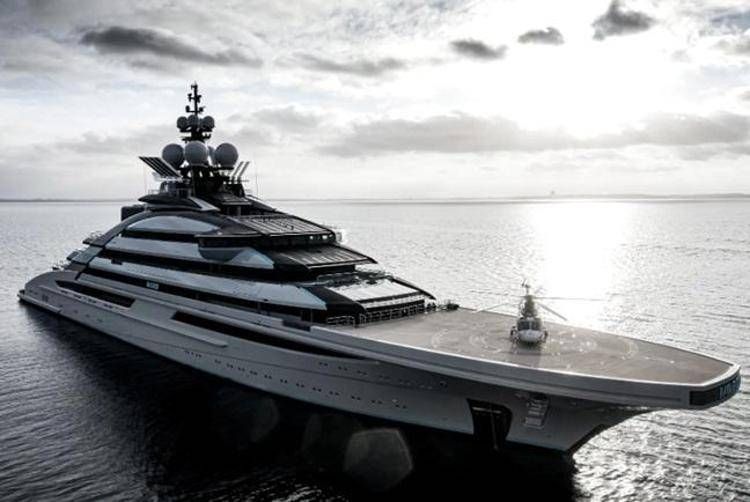
Russian oligarch yacht Nord crosses Strait of Hormuz
28 Aprile 2026
Luxury vessel linked to Alexey Mordashov sails through strategic waterway despite naval restrictions by Iran and the United States The...
Read More
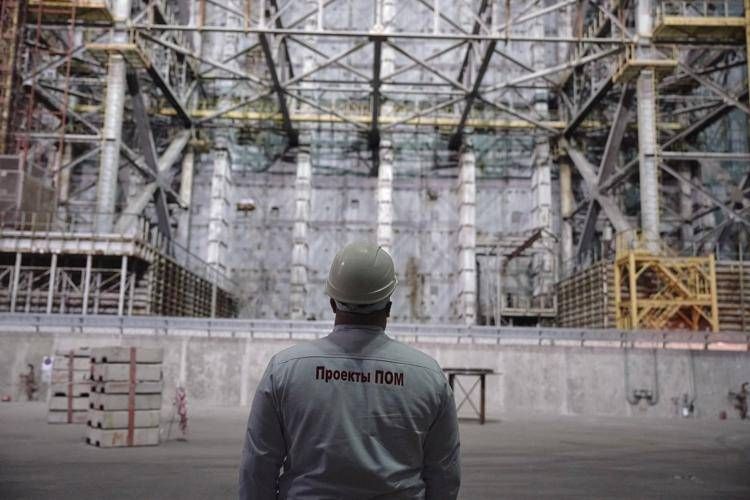
Chernobyl Disaster at 40: Radiation Legacy and New Nuclear Tensions
26 Aprile 2026
The 1986 reactor explosion remains the worst nuclear accident in history, while the site continues to face modern security risks...
Read More
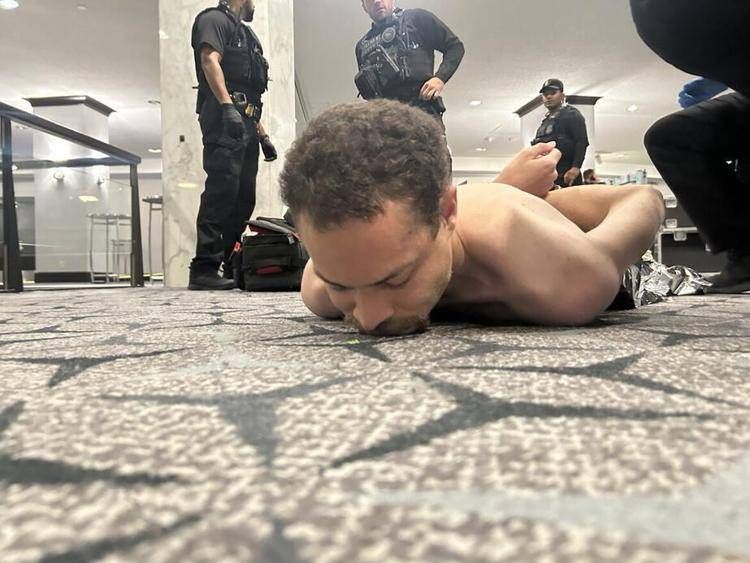
Trump posts suspect image after Washington shooting arrest
26 Aprile 2026
President says attacker acted alone; FBI urges public to share information as investigation expands. Donald Trump shared on Truth Social...
Read More
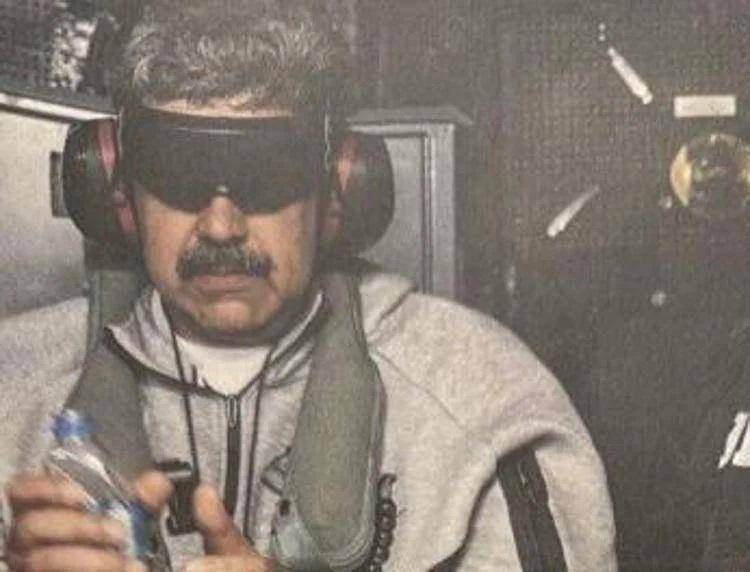
US Special Forces Soldier Arrested Over Maduro Operation Insider Trading Scheme
24 Aprile 2026
Federal prosecutors say the servicemember used classified intelligence tied to “Operation Absolute Resolve” to place high-stakes bets on Polymarket, netting...
Read More
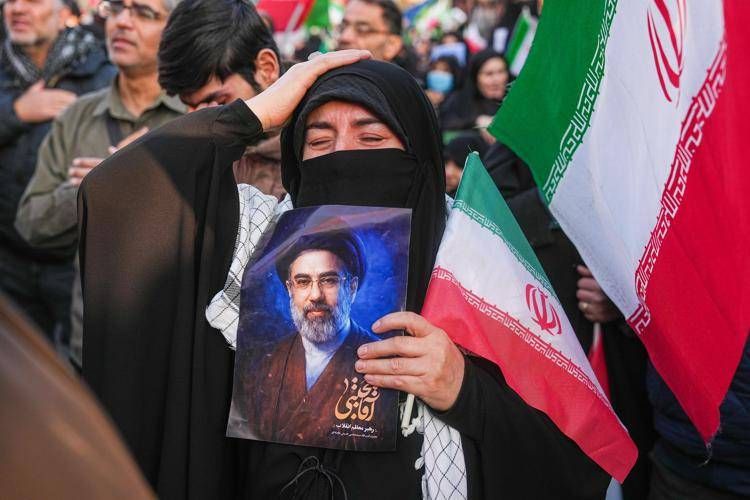
Mojtaba Khamenei seriously injured in Israeli strike on residence compound
23 Aprile 2026
The Supreme Leader’s son, Mojtaba Khamenei, sustained severe injuries in an Israeli attack on his residential complex on February 28,...
Read More
(with source AdnKronos)