
U.S. intelligence assessments contradict the president’s narrative of a weakened Tehran. “The Iran has been obliterated,” Donald Trump has said...
Read More
International-News
Iran still a threat despite Trump claims, intelligence says
📰 LiberoReporter su Google News
Segui tutte le notizie senza perderne una
SEGUI ORA →
Segui tutte le notizie senza perderne una
U.S. intelligence assessments contradict the president’s narrative of a weakened Tehran.
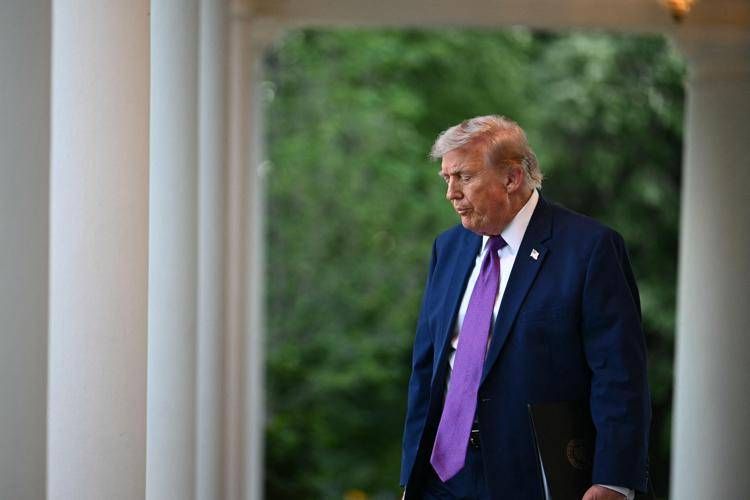
“The Iran has been obliterated,” Donald Trump has said repeatedly in recent weeks. But U.S. intelligence assessments presented to Congress behind closed doors describe a markedly different reality: Tehran retains significant military capabilities and remains a credible threat.
According to reporting by The New York Times, Iran has restored operational access to 30 of its 33 missile sites along the Strait of Hormuz, a critical maritime corridor through which roughly 20% of the world’s oil supply passes. The sites, operated by Iran’s Revolutionary Guard, are capable of threatening — and potentially striking — U.S. warships and commercial tankers transiting the area.
Only three missile installations along the strait are considered fully inaccessible. Intelligence estimates indicate Iran still possesses about 70% of its mobile launch platforms and roughly 70% of its overall missile arsenal. That stockpile includes ballistic missiles capable of reaching targets across the region, as well as a smaller number of cruise missiles designed for shorter-range land and naval strikes.
Satellite imagery and other surveillance data also suggest Iran has regained access to approximately 90% of its underground missile storage and launch facilities. These sites are now described as “partially or fully operational,” according to sources cited by the newspaper.
A gap between political claims and intelligence findings
The intelligence picture contrasts sharply with Trump’s public statements. As early as March 9 — ten days after the start of Operation Epic Fury — the president told CBS that Iran’s missile inventory had been reduced to “a few units” and that the country had “nothing left militarily.”
Defense Secretary Pete Hegseth echoed that assessment on April 8, saying during a Pentagon briefing that U.S. and Israeli strikes had “decimated” Iran’s military, rendering it ineffective for years to come.
U.S. stockpiles under pressure
While the administration has rejected suggestions that U.S. reserves are dangerously depleted, American media outlets describe a more complex logistical picture following the conflict.
General Dan Caine told a House subcommittee that the United States currently has “sufficient munitions for assigned missions,” even as concerns circulate about the pace of replenishment.
According to The New York Times, U.S. forces expended approximately 1,100 long-range stealth cruise missiles during the war — a figure close to the total remaining inventory. More than 1,000 Tomahawk missiles were also used, roughly ten times the number the Pentagon typically procures annually.
In addition, over 1,300 Patriot interceptor missiles were deployed, equivalent to about two years of production. Rebuilding those stockpiles is expected to take years. Lockheed Martin currently produces around 650 Patriot interceptors annually and has announced plans to increase output to 2,000 per year.
THE LATEST NEWS
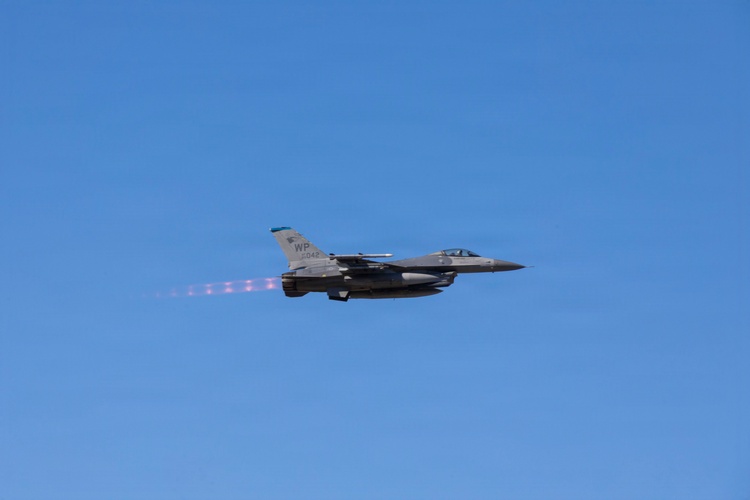
U.S. jet strikes Iranian oil tankers in the Gulf of Oman
8 Maggio 2026
Military action targets vessels accused of breaching a naval blockade before reaching Iranian ports U.S. jet strikes Iranian oil tankers...
Read More
Ryanair CEO calls for airport alcohol ban before morning flights
6 Maggio 2026
Michael O’Leary urges restrictions after surge in disruptive passengers, citing daily diversions linked to alcohol abuse Ryanair CEO calls for...
Read More

Iran strikes US bases expose wider damage than reported
6 Maggio 2026
A Washington Post analysis based on satellite imagery challenges Trump’s claims and details extensive strikes across US installations in the...
Read More
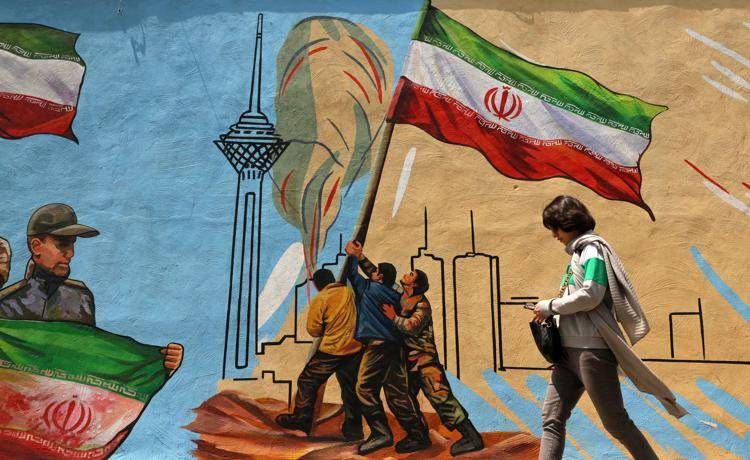
US–Iran preliminary memorandum to end war nears agreement
6 Maggio 2026
A 14-point draft outlines a ceasefire framework and 30-day talks on Iran’s nuclear program, sanctions relief, and maritime security The...
Read More
Narges Mohammadi in critical condition in Iran, lawyer says
5 Maggio 2026
The 2023 Nobel Peace Prize laureate, detained since December, was moved to hospital for heart complications Narges Mohammadi in critical...
Read More

(Photo: © AndKronos)

You must be logged in to post a comment Login