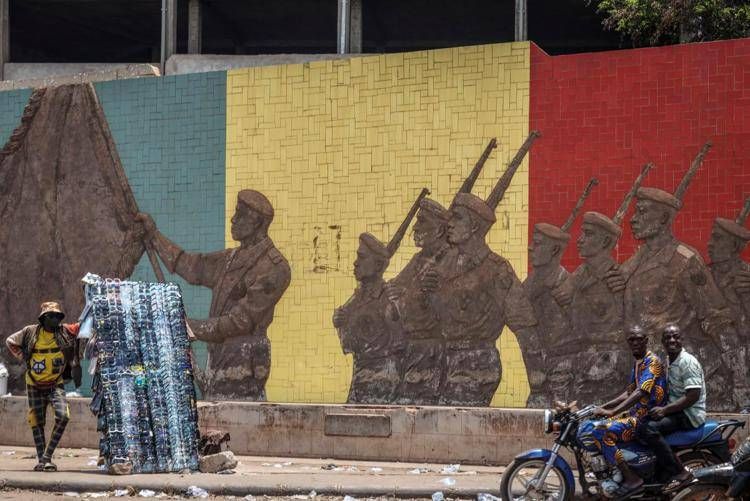
Russian-backed paramilitary forces pull out after coordinated attacks by jihadists and Tuareg rebels across northern Mali The Africa Corps retreat...
Read More
International-News
For Tehran, better war than a deal with the United States
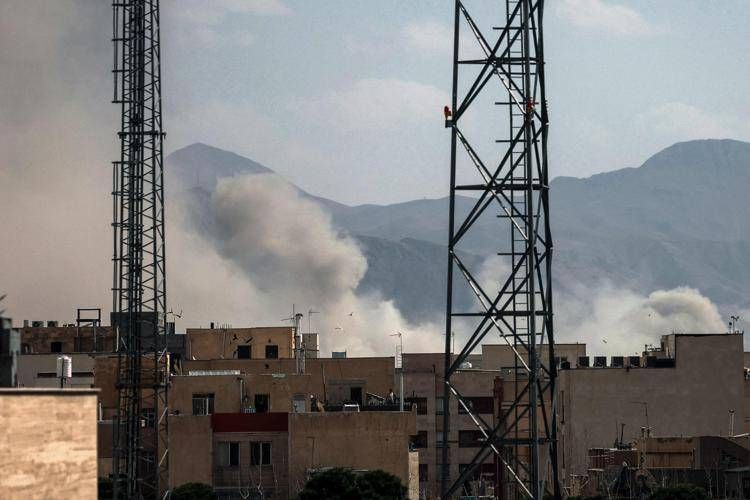
Israeli scholar Meir Litvak says Iran chose the risk of limited conflict over accepting US demands seen as a threat to regime survival
For Tehran, better war than a deal with the United States. That is the assessment offered by Meir Litvak, director of the Department of Middle Eastern and African History at Tel Aviv University, in an interview with Adnkronos analyzing the path that led to the Israeli-American strike against Iran.
According to Litvak, US President Donald Trump attempted to reach an agreement with Tehran but failed to secure one. In his view, Iranian leaders calculated that the risks of a limited war with Washington are more acceptable than yielding to American demands they perceive as existential threats.
“For Tehran, better war than a deal with the United States,” Litvak said in substance, arguing that distrust of Washington remains deep-rooted within Iran’s leadership. Accepting US conditions, he explained, could undermine the regime’s political and institutional foundations. A contained confrontation, by contrast, might be survivable.
Litvak noted that in the weeks leading up to the strike, Washington had significantly reinforced its military presence in the region. While he initially believed Trump would push harder for a diplomatic breakthrough, given that war remains unpopular in the United States, the military buildup suggested that negotiations had not produced results.
From Tehran’s perspective, the priority is regime continuity. Litvak rejected the notion that the Islamic Republic hinges solely on Supreme Leader Ayatollah Ali Khamenei. “Iran is not a one-man show,” he said, emphasizing the depth of the country’s institutional networks.
For that reason, he argued that targeting Khamenei would not dismantle the regime. On the contrary, killing him would likely turn him into a martyr and risk triggering a prolonged religious conflict. Iran, he added, has long taken measures to protect the Supreme Leader, making any such scenario highly complex.
On the question of regional escalation, Litvak observed that Iran has struck US-linked targets across the Persian Gulf but has so far avoided attacks on oil facilities. That restraint, he suggested, signals an effort to limit the scope of the confrontation and avoid pulling Gulf Arab states directly into the conflict.
In Litvak’s analysis, for Tehran, better war than a deal with the United States reflects a strategic calculation: endure limited conflict if necessary, but reject agreements viewed as jeopardizing the regime’s survival.
THE LATEST NEWS
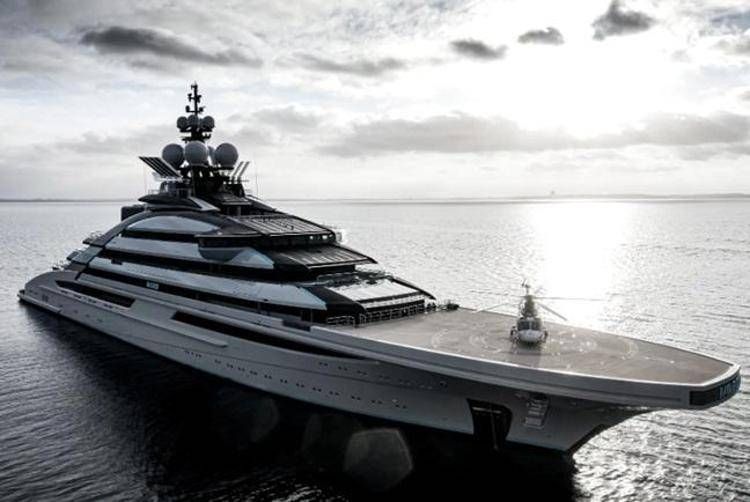
Russian oligarch yacht Nord crosses Strait of Hormuz
28 Aprile 2026
Luxury vessel linked to Alexey Mordashov sails through strategic waterway despite naval restrictions by Iran and the United States The...
Read More
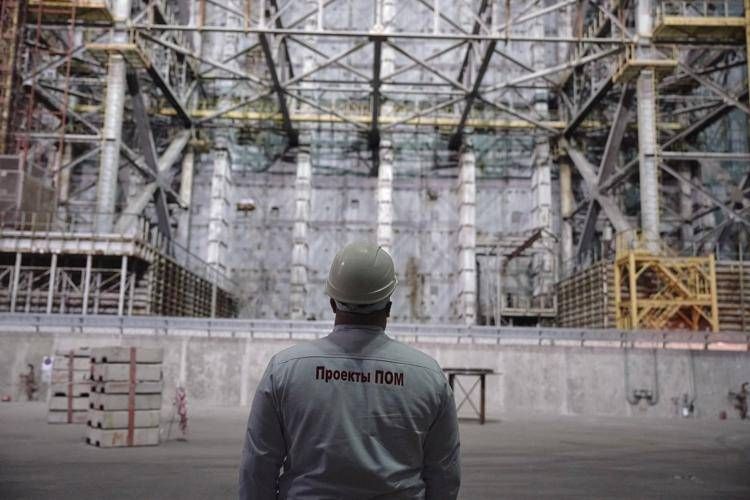
Chernobyl Disaster at 40: Radiation Legacy and New Nuclear Tensions
26 Aprile 2026
The 1986 reactor explosion remains the worst nuclear accident in history, while the site continues to face modern security risks...
Read More
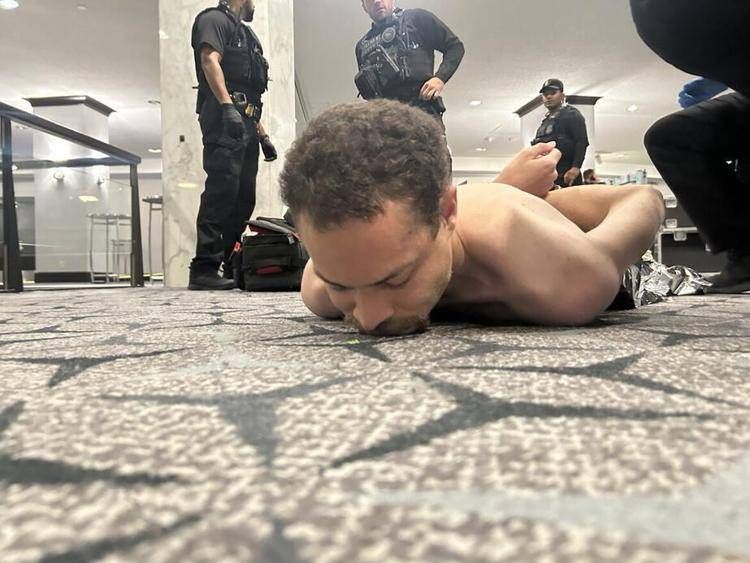
Trump posts suspect image after Washington shooting arrest
26 Aprile 2026
President says attacker acted alone; FBI urges public to share information as investigation expands. Donald Trump shared on Truth Social...
Read More
US Special Forces Soldier Arrested Over Maduro Operation Insider Trading Scheme
24 Aprile 2026
Federal prosecutors say the servicemember used classified intelligence tied to “Operation Absolute Resolve” to place high-stakes bets on Polymarket, netting...
Read More
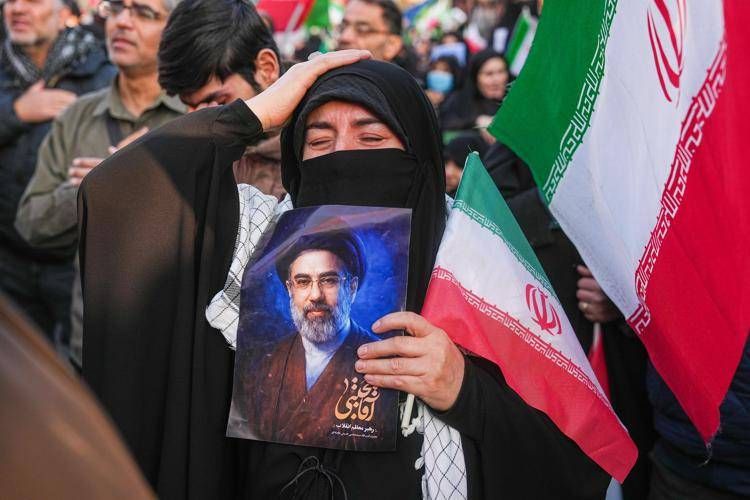
Mojtaba Khamenei seriously injured in Israeli strike on residence compound
23 Aprile 2026
The Supreme Leader’s son, Mojtaba Khamenei, sustained severe injuries in an Israeli attack on his residential complex on February 28,...
Read More
(Photo: © AndKronos)