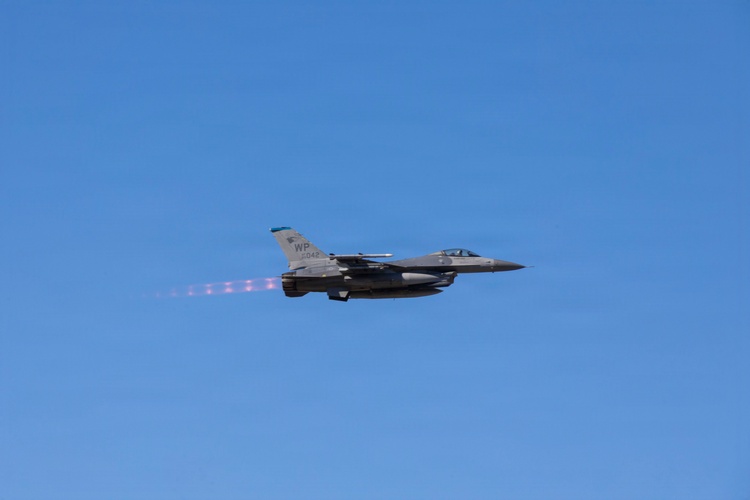
Military action targets vessels accused of breaching a naval blockade before reaching Iranian ports U.S. jet strikes Iranian oil tankers...
Read More
International-News
US-Taiwan trade agreement: tariff cuts and Beijing’s anger
Washington and Taipei sign a deal on tariffs and semiconductors, triggering a strong reaction from China
The US Department of Commerce has announced the signing of a US-Taiwan trade agreement that reduces tariffs on Taiwanese products from 20% to 15%, aligning them with those already applied to goods from Japan and Europe. The deal was reached with the government in Taipei and represents a significant step in the Trump administration’s trade strategy.
Under the US-Taiwan trade agreement, Taiwanese semiconductor companies have committed to investing at least $250 billion in the United States to expand domestic manufacturing capacity. An additional $250 billion will be allocated to strengthening the semiconductor ecosystem and supply chain within the US. According to the Department of Commerce, the agreement is expected to drive a substantial relocation of strategic industrial activities.
The US-Taiwan trade agreement has triggered a sharp response from China. Beijing said it “firmly and consistently opposes” the deal between the United States and Taiwan, describing it as contrary to the one-China principle. The statement was delivered by Chinese Foreign Ministry spokesperson Guo Jiakun, who reiterated Beijing’s opposition to any agreements between countries maintaining diplomatic relations with China and what it calls the Chinese region of Taiwan.
The agreement must still be approved by Taiwan’s parliament, which is controlled by the opposition. In addition to the investment commitments, it includes credit guarantees worth another $250 billion aimed at facilitating further Taiwanese corporate investments in the United States. US officials argue that the US-Taiwan trade agreement will help secure supply chains in a sector considered critical to economic and national security.
Taiwanese Prime Minister Cho Jung-tai welcomed the deal, saying the progress achieved so far reflects a carefully planned strategy. Economy Minister Kung Ming-hsin added that Taiwan will continue to be the world’s leading producer of semiconductors for artificial intelligence applications. Under the agreement, 85% of production is expected to remain in Taiwan and 15% in the US by 2030, shifting to an 80-20 split by 2036.
Domestic criticism has also emerged. Kuomintang leader Cheng Li-wun warned that the US-Taiwan trade agreement could weaken Taiwan’s economy, arguing that it risks accelerating the outflow of industrial capacity toward the United States.
THE LATEST NEWS
Ryanair CEO calls for airport alcohol ban before morning flights
6 Maggio 2026
Michael O’Leary urges restrictions after surge in disruptive passengers, citing daily diversions linked to alcohol abuse Ryanair CEO calls for...
Read More

Iran strikes US bases expose wider damage than reported
6 Maggio 2026
A Washington Post analysis based on satellite imagery challenges Trump’s claims and details extensive strikes across US installations in the...
Read More
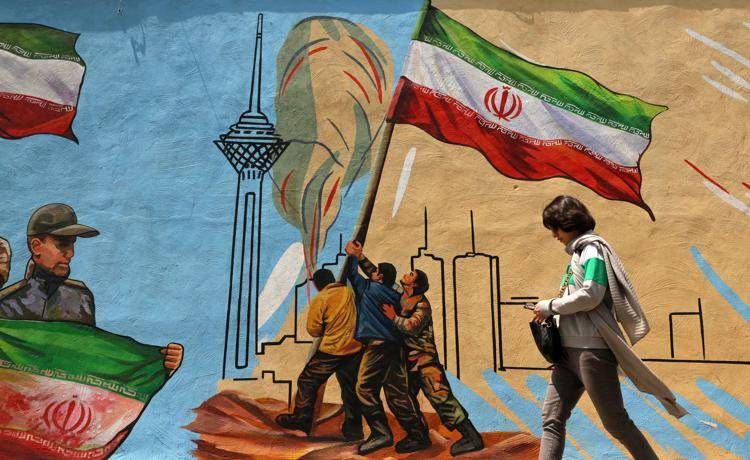
US–Iran preliminary memorandum to end war nears agreement
6 Maggio 2026
A 14-point draft outlines a ceasefire framework and 30-day talks on Iran’s nuclear program, sanctions relief, and maritime security The...
Read More
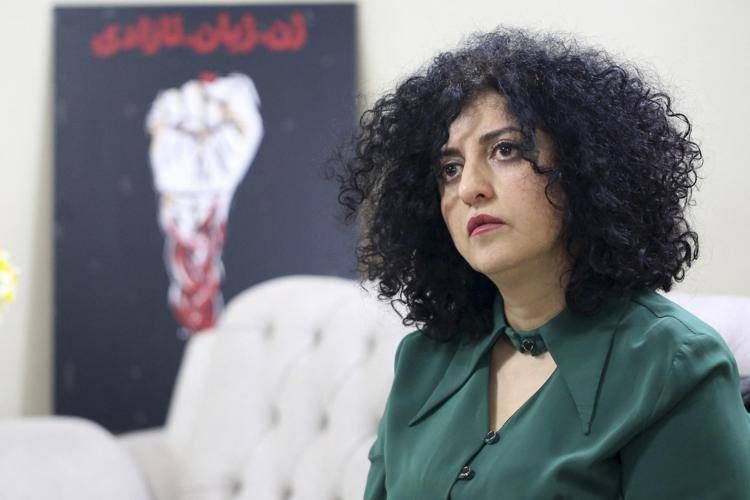
Narges Mohammadi in critical condition in Iran, lawyer says
5 Maggio 2026
The 2023 Nobel Peace Prize laureate, detained since December, was moved to hospital for heart complications Narges Mohammadi in critical...
Read More
Sinner dominates Zverev 6-1 6-2 to win Madrid Masters 1000
3 Maggio 2026
A one-sided final in Madrid: the Italian secures his fifth consecutive Masters 1000 title Sinner defeated Alexander Zverev 6-1 6-2...
Read More

(Photo: © AndKronos)