Talks come as Cuba faces severe blackouts and escalating tensions with Washington over sanctions and energy supply restrictions The Cuba,...
Read More
International-News
Chaos on Seoul: president declares martial law and parliament nullifies it
📰 LiberoReporter su Google News
Segui tutte le notizie senza perderne una
SEGUI ORA →
Segui tutte le notizie senza perderne una
In South Korea, President Yoon Suk Yeol resorted to martial law, but Parliament reacted by declaring it null and void. Clashes and uncertainty shake the country
In a climate of growing tension, South Korea is experiencing dramatic hours after President Yoon Suk Yeol declared emergency martial law. However, Parliament reacted promptly: a resolution passed by a majority called for the revocation of the measure, declaring it ‘null and void’ through the Speaker of the National Assembly, Woo Son-shik. The situation worsened when security forces, in response to the parliamentary declaration, intensified their presence around the Assembly complex.
The declaration of martial law
In his televised address, President Yoon justified martial law as a necessary response to ‘communist forces’ and ‘anti-state elements’ that he said were threatening the stability of the country. He accused the Democratic Party, which holds a majority in parliament, of ‘paralysing the government’ and of wanting to overthrow South Korea’s liberal democratic system.
Special forces were deployed in the parliament immediately after the announcement and access to the area was blocked. South Korean law, however, stipulates that martial law must be lifted if a parliamentary majority demands it, which was the case a few hours after Yoon’s announcement.
Clashes and protests
The area around the Seoul Parliament became the scene of clashes between protesters, security forces and the military. Videos broadcast on state television showed police and soldiers attempting to repel citizens trying to enter the building. Witnesses reported helicopters landing on the roof of the parliament, while special forces penetrated inside.
The leader of the Democratic Party, Lee Jae-myung, urged his deputies to gather outside the parliament, calling for the support of the population. ‘This is not just a political issue, but a fight to preserve our democracy,’ Lee said, prompting thousands of citizens to gather near the legislative building.
A dangerous historical precedent
The declaration of martial law brings to mind a dark chapter in South Korean history. The last time it was imposed was in May 1980, during the military regime of General Chun Doo-hwan. That martial law culminated in the bloody Gwangju uprising, in which hundreds, perhaps thousands, of citizens lost their lives in an attempt to oppose the dictatorship. This historical parallel further fuels concerns about the country’s democratic future.
An unprecedented stalemate
As tensions escalate, the country remains poised between respecting democratic institutions and resorting to authoritarian measures. The international community is closely watching events unfold, fearing that the crisis could further destabilise the Korean peninsula. The coming hours will be crucial to understand whether the parliamentary revocation will succeed in restoring order or whether the confrontation will turn into an open clash between government and opposition.
THE LATEST NEWS
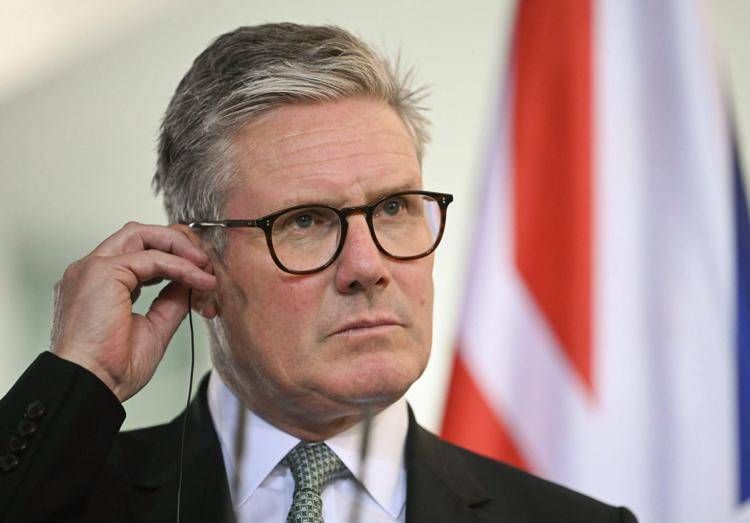
UK Labour leadership crisis deepens as Wes Streeting eyes challenge to Starmer
15 Maggio 2026
Internal tensions escalate in the Labour Party as ministerial reshuffles and a potential leadership bid reshape the balance of power...
Read More
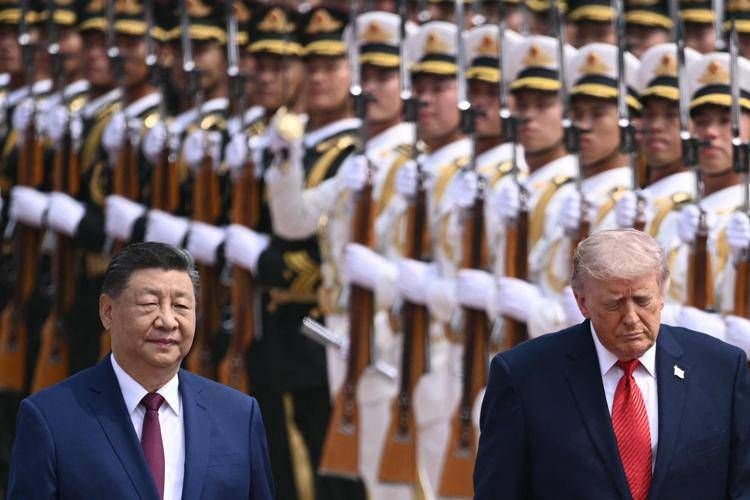
Trump-Xi Jinping standoff ends in a draw over trade tensions
14 Maggio 2026
U.S. and China leave core disputes unresolved as inflation, energy chokepoints and semiconductor supply chains remain under pressure The Trump-Xi...
Read More
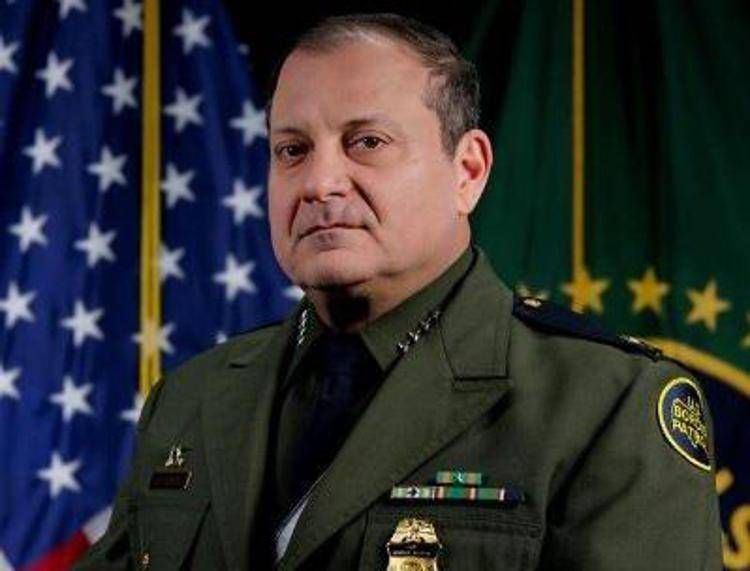
US Border Patrol chief Michael Banks resigns immediately
14 Maggio 2026
Veteran official steps down after 37 years, marking the third leadership change at the Department of Homeland Security in two...
Read More
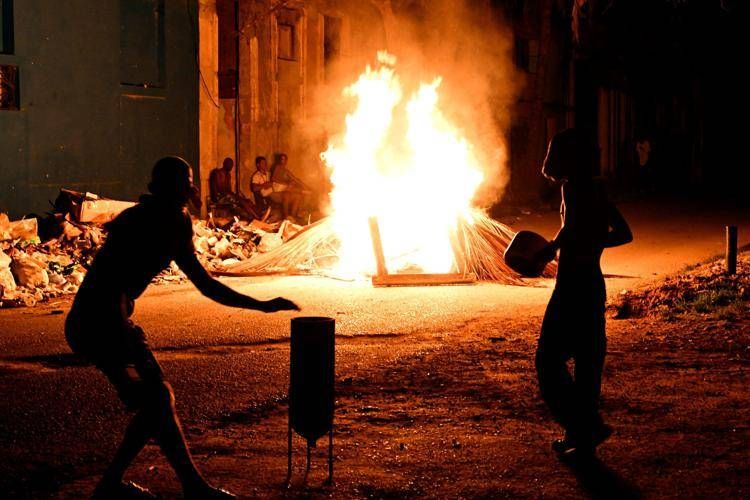 Cuba, CIA Director John Ratcliffe Meets...
16 Maggio 2026
UK Labour leadership crisis deepens as...
15 Maggio 2026
Trump-Xi Jinping standoff ends in a...
14 Maggio 2026
US Border Patrol chief Michael Banks...
14 Maggio 2026
Cuba, CIA Director John Ratcliffe Meets...
16 Maggio 2026
UK Labour leadership crisis deepens as...
15 Maggio 2026
Trump-Xi Jinping standoff ends in a...
14 Maggio 2026
US Border Patrol chief Michael Banks...
14 Maggio 2026