
U.S. and China leave core disputes unresolved as inflation, energy chokepoints and semiconductor supply chains remain under pressure The Trump-Xi...
Read More
International-News
Trump-Xi Jinping standoff ends in a draw over trade tensions
📰 LiberoReporter su Google News
Segui tutte le notizie senza perderne una
SEGUI ORA →
Segui tutte le notizie senza perderne una
U.S. and China leave core disputes unresolved as inflation, energy chokepoints and semiconductor supply chains remain under pressure
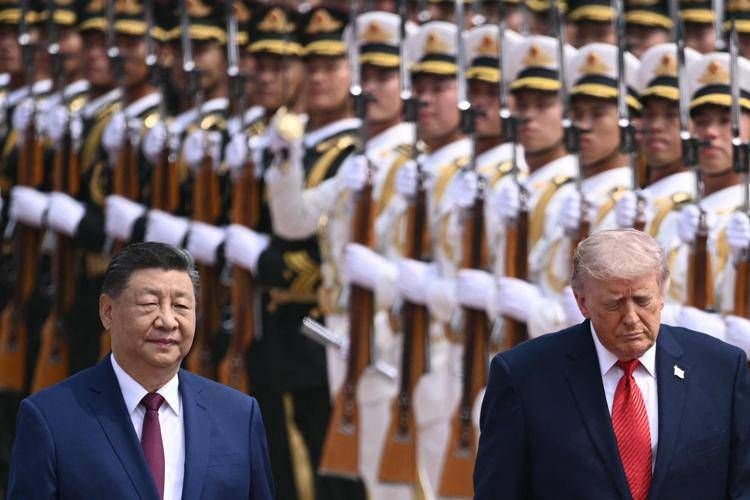
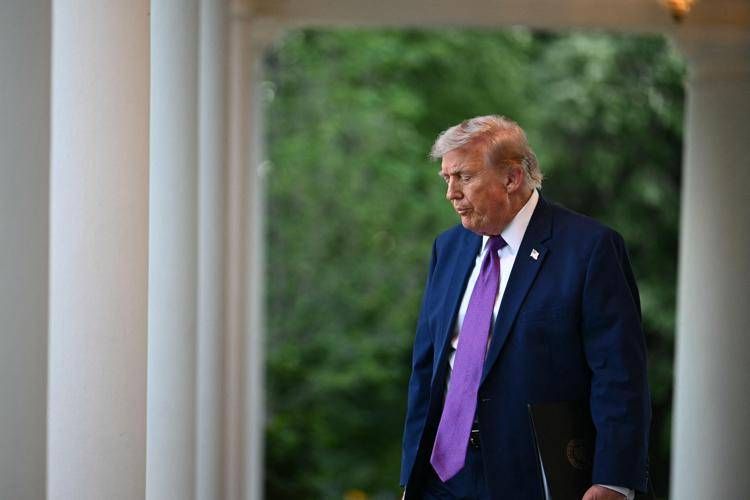
The Trump-Xi Jinping standoff ends in a draw over trade tensions after high-level engagement between U.S. President Donald Trump and Chinese President Xi Jinping failed to deliver substantive breakthroughs on core economic and geopolitical issues.
The talks centered on tariffs, Taiwan, rare earths, semiconductor supply chains and the strategic vulnerability of the Strait of Hormuz. Despite elevated expectations, neither side secured measurable concessions.
Xi entered the exchange with support from resilient Chinese export performance. Trump’s position was driven primarily by domestic economic concerns, particularly inflation and energy prices, rather than broader geopolitical realignment.
The U.S. president was accompanied to Beijing by 17 chief executive officers from major corporations, underscoring the economic focus of the engagement. The approach marked a shift from earlier tariff escalation under the “Liberation Day” framework toward a more transactional posture.
Inflation remains a central constraint. U.S. consumer prices rose 3.8% in April, with energy inputs increasingly feeding into supply chains. Markets continue to price the shock as cyclical rather than structural, but volatility in oil-linked sectors remains elevated.
Gianluca Ungari, head of investments for Italy at Vontobel, said Trump is attempting to contain inflationary pressure stemming from earlier policy decisions. He warned that a resolution to the Gulf crisis is unlikely in the short term, with oil price stabilization potentially requiring several months.
Energy security remains tied to the Strait of Hormuz, while China’s leverage is concentrated in rare earth exports and semiconductor dependencies. At the center of that system is Taiwan Semiconductor Manufacturing Company (TSMC), the dominant global chip manufacturer. Analysts note that disruption at TSMC would have wider consequences than a partial closure of Hormuz, particularly for artificial intelligence supply chains.
The AI sector continues to underpin equity market performance, with U.S. technology earnings growth reaching 40% in the first quarter. However, capital intensity is rising. Spending on data centers and related infrastructure is estimated at $800 billion this year and trending toward $1 trillion. Firms including OpenAI and Anthropic remain in negative cash-flow territory, raising questions over medium-term funding sustainability.
Chinese trade behavior remains measured, even under elevated tariff pressure. Past escalation to 140% tariffs did not produce aggressive countermeasures, suggesting rare earth exports are more likely to function as a defensive instrument than an offensive one.
Domestically, Trump faces tightening political constraints ahead of November midterm elections. His approval rating stands at 36%, among the lowest of his presidency. Republican support remains at 85%, but the share of strongly committed voters has declined from 53% to 45%. Among independents, approval has fallen to 25%.
“The situation is politically complex, and support levels are weak,” Ungari said, adding that Trump requires a visible economic win, particularly on inflation, to stabilize political conditions.
Attention is also on the Federal Reserve following the confirmation of Kevin Warsh by the U.S. Senate. The Federal Reserve is expected to face renewed scrutiny over interest rate policy, with Warsh seen as more open to rate cuts than his predecessor Jerome Powell.
The engagement concludes without a decisive shift in the balance of economic leverage between Washington and Beijing. Absent rapid progress on energy flows through Hormuz and semiconductor stability, the risk remains of sustained inflationary pressure heading into the U.S. election cycle.
THE LATEST NEWS
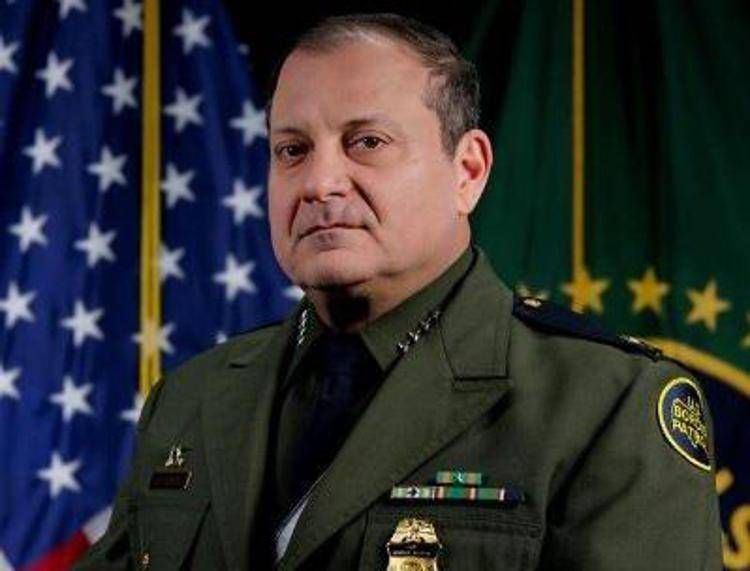
US Border Patrol chief Michael Banks resigns immediately
14 Maggio 2026
Veteran official steps down after 37 years, marking the third leadership change at the Department of Homeland Security in two...
Read More
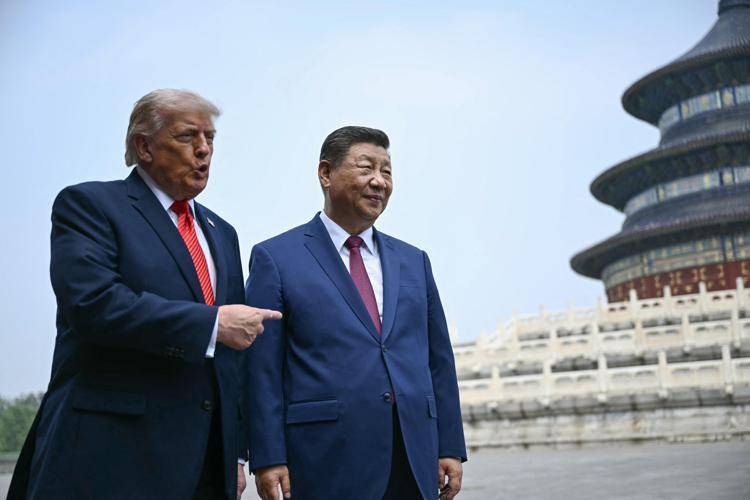
Trump and Xi Jinping hold positive talks in Beijing summit
14 Maggio 2026
U.S. president praises “productive” meetings and invites Chinese leader to the White House as both sides stress cooperation and address...
Read More
Trump says Iran is “wiped out,” intelligence shows otherwise
13 Maggio 2026
Classified briefings to Congress outline a resilient missile capability despite White House claims “The Iran is wiped out.” That is...
Read More
Iran still a threat despite Trump claims, intelligence says
13 Maggio 2026
U.S. intelligence assessments contradict the president’s narrative of a weakened Tehran. “The Iran has been obliterated,” Donald Trump has said...
Read More
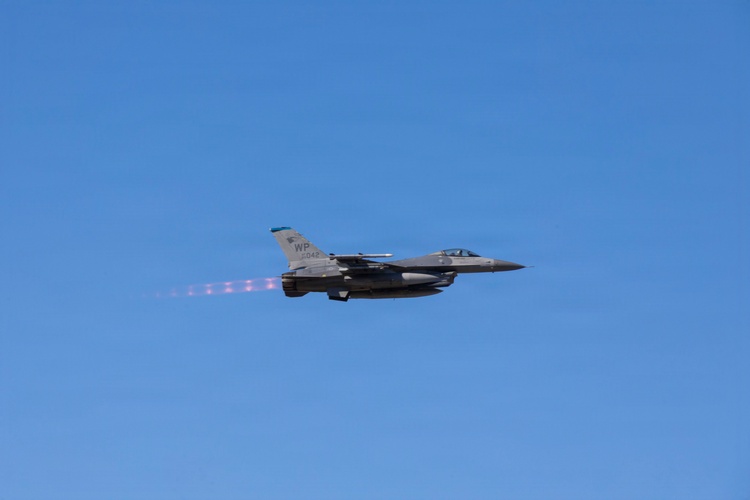
U.S. jet strikes Iranian oil tankers in the Gulf of Oman
8 Maggio 2026
Military action targets vessels accused of breaching a naval blockade before reaching Iranian ports U.S. jet strikes Iranian oil tankers...
Read More
(Source and Photo: © AndKronos)

You must be logged in to post a comment Login