The U.S. president signals a narrow diplomatic window for Tehran while warning that a large-scale attack remains possible if negotiations...
Read More
International-News
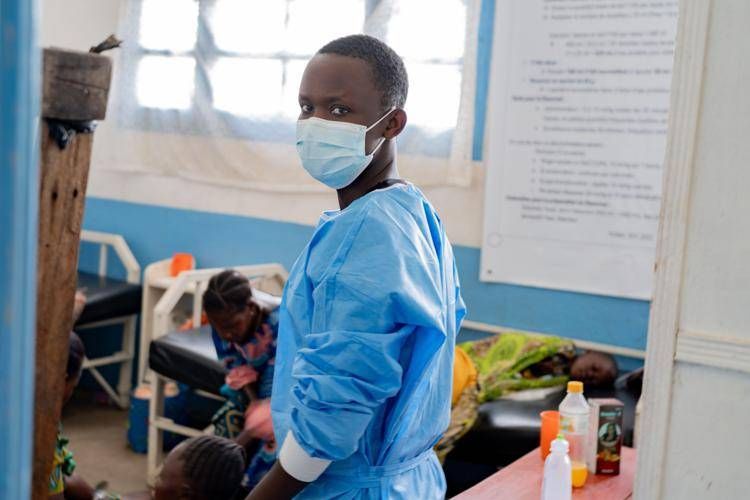
Sudanese Ebola: study highlights challenges of containment and importance of genomic surveillance
📰 LiberoReporter su Google News
Segui tutte le notizie senza perderne una
SEGUI ORA →
Segui tutte le notizie senza perderne una
Recurrent epidemics and patterns of evolution: an Italian study’s contribution to understanding virus transmission
The Sudanese Ebola virus (Sudv) has been a constant threat to Uganda for the past two decades, causing several devastating outbreaks with high mortality rates. The recent waves of 2022 and 2025 have further highlighted the difficulties in containing the spread of the virus and managing its health implications. A new Italian study, now being published, led by Francesco Branda and Massimo Ciccozzi of the University Campus Bio-Medico in Rome, together with Fabio Scarpa of the University of Sassari, has helped to delineate the epidemiological patterns and phylogenomic evolution of Sudv epidemics in Uganda, identifying key factors in disease transmission and severity.
Retrospective analysis of Sudv epidemics.
The study used a retrospective observational approach, examining epidemiological and genomic data of epidemics from 2000 to 2025. The researchers gathered information from official sources, such as the Ugandan Ministry of Health and the World Health Organization (WHO), and from other public health organizations. Genomic sequencing of Sudv samples allowed them to study the evolution of the virus, revealing genetic variations related to pathogenicity and transmissibility.
The 2022 epidemic and the current 2025 crisis
In 2022, the epidemic caused 164 confirmed cases with a case fatality rate (CFR) of 33.5 percent, showing significant geographic variations in the distribution of cases. The ongoing outbreak in 2025, which originated in Kampala, recorded nosocomial and community transmissions, amplifying the spread of the virus. Phylogenomic analysis revealed two main genetic clusters, one belonging to Sudan and the other to Uganda, with greater genetic variability in the Ugandan cluster, suggesting greater capacity for expansion.
Factors amplifying the epidemic
According to the study, several factors contribute to the amplification of Sudanese Ebola outbreaks, including human mobility, health system deficiencies, and delays in early case detection. These elements, combined with difficult emergency management, have made it difficult to control the virus. Phylogenomic analysis suggests that increased genetic variability in Uganda may have facilitated rapid spread, consistent with the current epidemic.
The importance of integrated surveillance
Researcher Ciccozzi stresses the importance of integrated genomic and epidemiological surveillance for a deeper understanding of the dynamics of virus transmission. The recurrent emergence of Sudv highlights the need for improved outbreak preparedness strategies, including rapid response mechanisms and stronger international cooperation. In addition, implementing a real-time surveillance system and strengthening health system resilience are critical to containing the impact of future outbreaks.
THE LATEST NEWS

IDF orders evacuation of 12 southern Lebanon towns ahead of strikes on Hezbollah
19 Maggio 2026
Israeli military warns residents to move at least one kilometer away, citing renewed ceasefire violations and imminent air raids targeting...
Read More

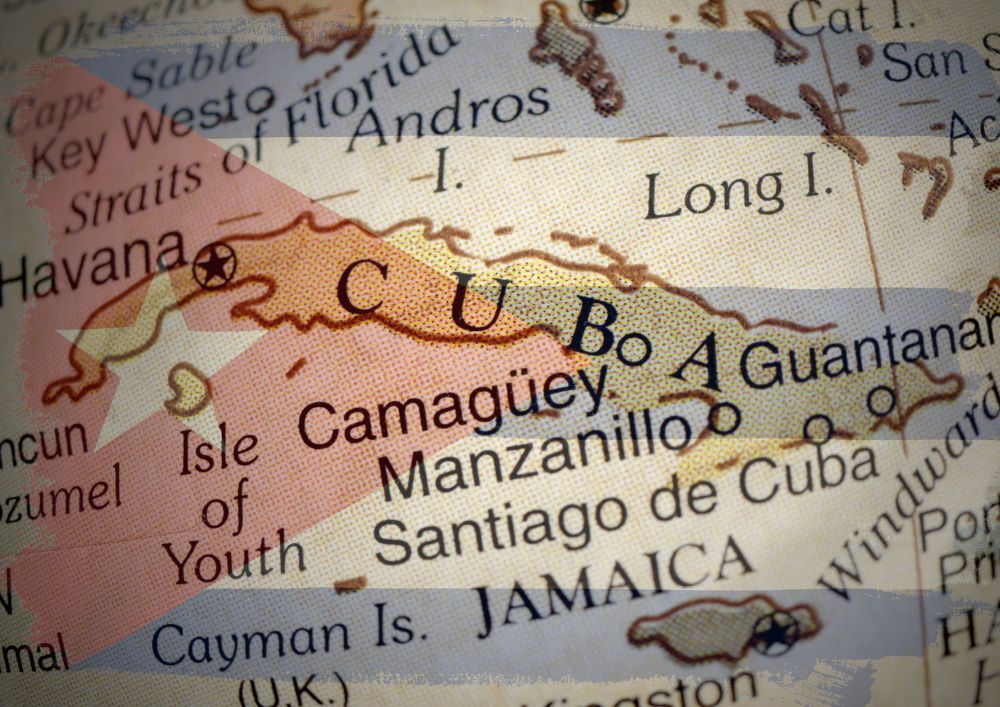
US Considers Military Scenario Against Cuba as Tensions Rise
19 Maggio 2026
According to Politico, Washington is broadening its strategic debate on Cuba beyond sanctions, with military options now reportedly under review...
Read More
Elon Musk loses OpenAI lawsuit in federal court in Oakland
18 Maggio 2026
A federal jury in Oakland rules that Elon Musk’s claims against OpenAI, Sam Altman, Greg Brockman and Microsoft are time-barred,...
Read More

Ebola outbreak declared public health emergency in Congo and Uganda
18 Maggio 2026
WHO classifies the outbreak as a Public Health Emergency of International Concern amid rising cases in eastern Congo and cross-border...
Read More
Trump Suspends Planned Iran Strike After Gulf Leaders’ Appeal
18 Maggio 2026
The U.S. president says he halted a military operation scheduled for “tomorrow” following urgent requests from Qatar, Saudi Arabia, and...
Read More

(Photo: © AndKronos)